
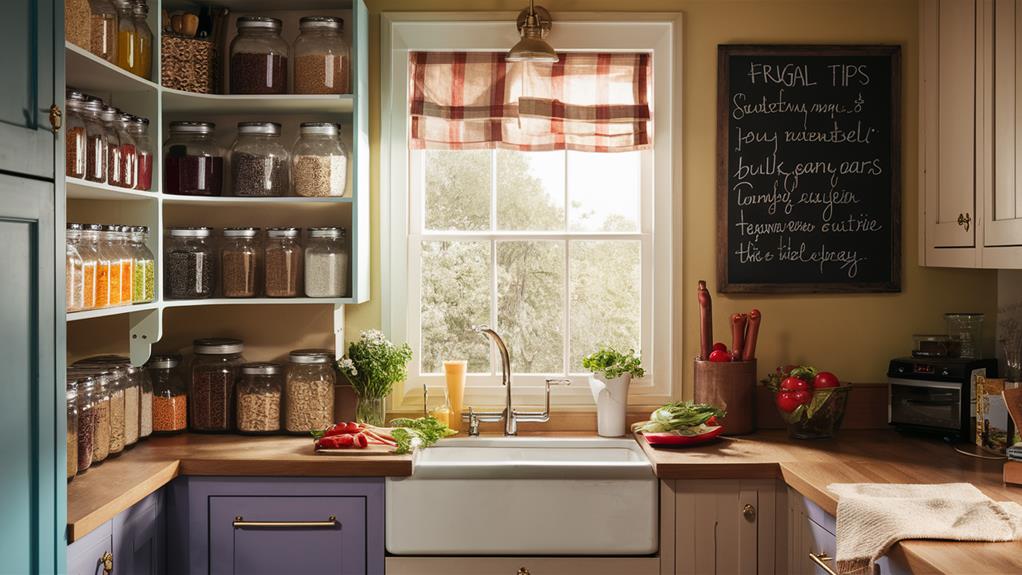
You can easily save big by embracing these three frugal lifestyle ideas. First, start meal planning; it cuts down on grocery costs and helps you avoid impulse buys. Next, create a budget to track your expenses. Knowing what you spend lets you identify areas where you can save. Finally, seek out free or low-cost activities in your community, like nature walks, local events, or library programs. These options provide fun without emptying your wallet. By implementing these simple strategies, you'll be well on your way to a more frugal lifestyle, and there's more to discover along the way!
Key Takeaways
- Create a meal plan each week to save time and reduce grocery costs by using sales and existing ingredients.
- Set a clear budget that categorizes your expenses, making it easier to track spending and identify areas for savings.
- Engage in free community activities such as local events and library programs to enjoy social experiences without spending money.
- Incorporate batch cooking into your routine for healthy meals, which reduces stress on busy nights and minimizes food waste.
- Explore nature walks and outdoor adventures for exercise and entertainment, promoting a healthy lifestyle without the expense of gym memberships.
Meal Planning Strategies

Meal planning can save you time, money, and stress—making it an essential strategy for anyone starting a frugal lifestyle. When you take a little time each week to plan your meals, you'll find that grocery shopping becomes less overwhelming and more purposeful. Instead of wandering the aisles aimlessly, you'll have a list that helps you stick to buying only what you need, cutting down on impulse purchases.
Additionally, incorporating eco-friendly practices into your meal planning, such as using biodegradable products, can enhance your commitment to sustainability.
Start by choosing a day to sit down and plan your meals for the week. Gather your favorite recipes, and don't hesitate to reach out to friends or family for recipe swapping. This allows you to discover new meals without added costs.
Consider what's on sale at the grocery store and incorporate those ingredients into your plan. You'll not only save money but also reduce food waste by using up what you already have.
Don't forget to batch cook! Prepare larger portions of meals and store them in the fridge or freezer for those busy nights when cooking feels like a chore. This way, you'll always have a healthy option ready to go, preventing the temptation to order takeout.
Lastly, keep a running list of meals you enjoy and those you want to try. This will make future meal planning even easier, as you'll have a pool of ideas right at your fingertips.
Budgeting Basics

Once you've got your meal planning down, the next step is setting up a solid budget. A budget helps you manage your money, ensuring you can meet your needs while still saving for the future. The first thing you want to do is categorize your expenses. This means breaking down where your money goes each month, which makes savings tracking much easier.
Here's a simple table to help you visualize your expenses:
| Expense Category | Estimated Amount | Actual Amount |
|---|---|---|
| Housing | $1,200 | $1,200 |
| Groceries | $300 | $275 |
| Utilities | $150 | $140 |
Start by listing your fixed expenses, like rent or mortgage, and then move on to variable expenses, such as groceries or entertainment. Once you know where your money's going, you can identify areas for potential savings.
Next, track your actual spending against your budget. This comparison lets you see if you're sticking to your plan or if adjustments are needed. If you find you're overspending in certain categories, don't stress! Just adjust your budget as necessary.
Free or Low-Cost Activities

Finding free or low-cost activities is a great way to enjoy life without straining your budget. You don't have to spend a fortune to have fun or connect with others. Here are some ideas to get you started:
1. Nature Walks: Explore local parks or nature trails. These walks not only provide fresh air and exercise but also a chance to appreciate the beauty around you.
For those who enjoy outdoor adventures with their pets, consider using a convenient pet carrier backpack for a more comfortable experience the best pet carrier backpacks. Invite friends or family to join for a more social experience.
2. Community Events: Keep an eye out for free community events like festivals, farmers' markets, or outdoor movie nights. These gatherings offer a fantastic way to meet new people and immerse yourself in local culture.
3. Library Programs: Your local library isn't just for borrowing books. Many libraries host free workshops, movie nights, and book clubs. Check their calendar for activities that interest you.
4. Volunteer Opportunities: Giving back is a rewarding way to spend your time. Look for local charities or organizations that need volunteers.
You'll not only make a difference but also meet like-minded individuals.
Frequently Asked Questions
How Can I Save Money on Household Supplies?
To save money on household supplies, consider bulk buying.
You'll often find that purchasing larger quantities reduces the price per unit.
Also, think about DIY cleaning solutions; many common ingredients like vinegar and baking soda can tackle various cleaning tasks effectively.
By making your own cleaners, you not only save money but also control the ingredients you use.
These simple strategies can lead to significant savings in your household budget.
What Are Some Frugal Gift Ideas for Special Occasions?
So, you're scrambling for the perfect gift, right? Don't worry! You can impress your loved ones without breaking the bank.
Try crafting DIY gifts like homemade bath salts or a personalized photo album. Handmade cards can add that special touch, too! It's thoughtful and shows you care.
Plus, your friends will appreciate the effort, and you'll save some cash for more important things—like that extra slice of cake at the party!
How Can I Reduce Transportation Costs Effectively?
To reduce transportation costs effectively, consider adopting carpooling strategies. You can connect with coworkers or neighbors to share rides, cutting fuel expenses considerably.
Public transport is another great option; check local schedules and routes to find convenient connections. By using these methods, you not only save money but also build community ties.
Plus, you'll enjoy less stress on the road, making your daily commute more enjoyable and affordable.
What Apps Can Help Track My Frugal Spending?
When you're looking to track your spending, budgeting apps and expense trackers can make a world of difference.
Imagine effortlessly categorizing your purchases, setting limits, and visualizing your progress. Apps like Mint and YNAB (You Need A Budget) allow you to see where every dollar goes, helping you stay accountable.
You'll find yourself making smarter choices, feeling in control, and truly embracing your financial journey. It's all about gaining confidence in your spending habits!
How Do I Handle Unexpected Expenses While on a Budget?
When unexpected expenses pop up, it's essential to stay calm and adjust your budgeting strategies.
Start by tapping into your emergency fund, if you have one. This fund acts as a safety net, helping you manage surprises without derailing your budget.
If you don't have an emergency fund yet, consider reallocating funds from less urgent categories.
Regularly review your budget to adapt and guarantee you're prepared for future surprises.
Conclusion
By embracing these frugal lifestyle ideas, you're planting seeds for financial growth. Meal planning helps you nourish your body while saving money, budgeting lays a solid foundation for your goals, and free activities bloom into memorable experiences. Just like a well-tended garden, these strategies require care and consistency, but they'll flourish over time. Start small, stay committed, and watch your savings blossom into something beautiful. Your journey to financial freedom is just beginning!