
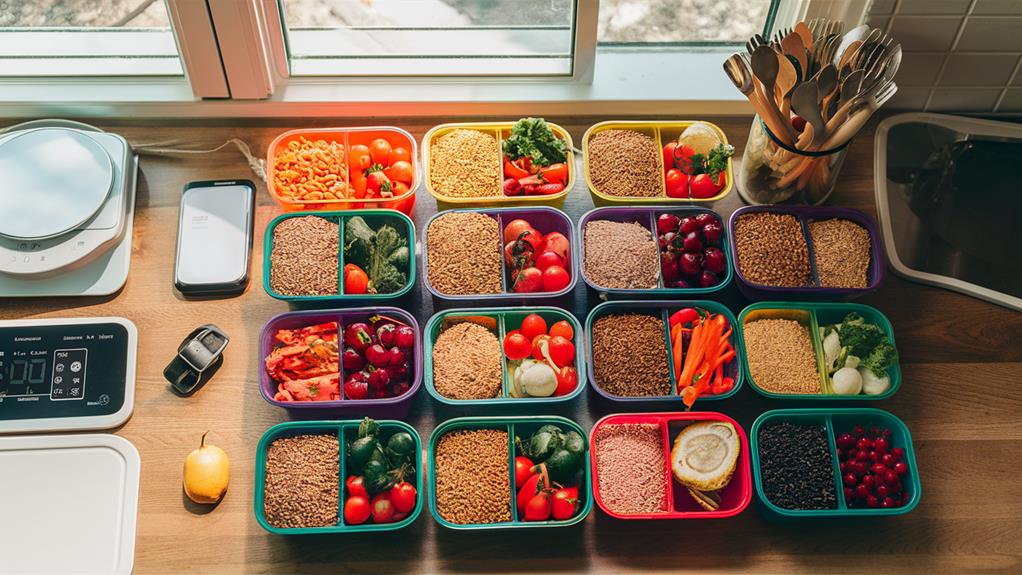
You can fuel your fitness journey without breaking the bank with these 10 economical meal plans. Start your day with high-protein breakfasts like scrambled eggs or Greek yogurt. For lunch, opt for nutrient-rich quinoa salads or brown rice bowls filled with legumes. Quick dinners like stir-fried veggies and protein can be prepared in one pan. Don't forget about healthy snacks like nuts or homemade energy bars to keep your energy up. Incorporating seasonal fruits and creative leftover recipes can minimize waste and maximize nutrition. There's much more to explore, so let's discover additional ideas to enhance your meal planning!
Key Takeaways
- Focus on high-protein foods like eggs, Greek yogurt, and canned tuna to support muscle repair and satiety while staying within budget.
- Utilize whole grains and legumes, such as brown rice and lentils, for affordable, nutrient-dense meals that provide energy and fiber.
- Plan meals around seasonal vegetables and fruits to maximize freshness and reduce costs while enhancing nutrient intake.
- Batch cook meals and prep ingredients in advance to save time and ensure access to healthy options throughout the week.
- Incorporate versatile recipes, like stir-fries and salads, that allow for ingredient flexibility based on what's available or on sale.
High-Protein Breakfast Ideas
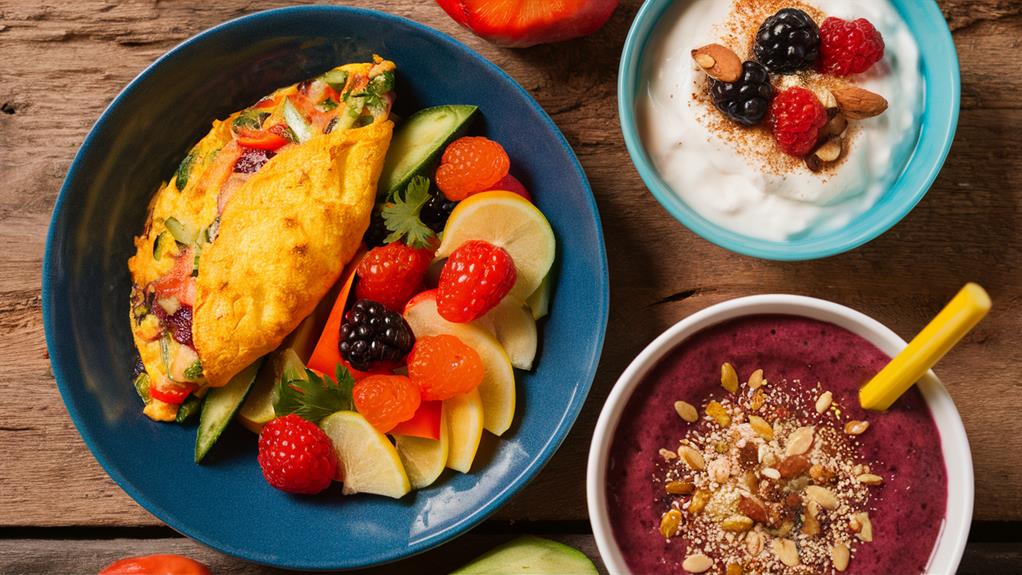
When you wake up, fueling your body with high-protein breakfast options can kickstart your day and support your fitness goals. Starting your morning with protein-rich meals not only helps with muscle repair but also keeps you feeling full longer, reducing the temptation for unhealthy snacks later on.
For those looking for organization and convenience, just like the best diaper bag backpacks of 2024, meal prepping your breakfast can streamline your morning routine.
Consider incorporating egg-based dishes into your breakfast routine. Eggs are a fantastic source of protein, providing about 6 grams per large egg. You can whip up a classic scrambled egg dish or try a veggie-packed omelet for added nutrients.
If you're short on time, prepare a batch of hard-boiled eggs to grab and go.
Another delicious option is to blend up some protein smoothie recipes. These smoothies can be customized to your liking, allowing you to incorporate fruits, leafy greens, and even nut butters for extra flavor and nutrition.
A simple recipe could include a scoop of protein powder, a banana, a handful of spinach, and almond milk. This not only delivers a protein punch but also adds essential vitamins and minerals to your diet.
Budget-Friendly Lunch Options
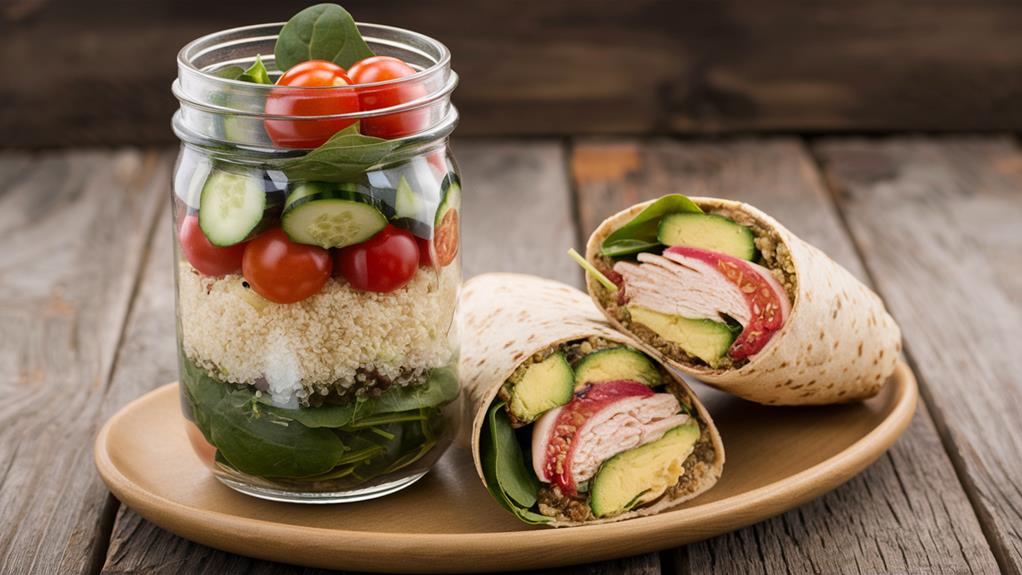
Finding budget-friendly lunch options that fuel your fitness journey doesn't have to be a challenge. With a bit of planning and some meal portioning strategies, you can create satisfying meals that won't break the bank. Start by focusing on whole foods like brown rice, quinoa, and legumes, which aren't only cost-effective but also rich in protein and fiber. Many plant-based cookbooks emphasize nutritional focus, helping you make informed choices about your meals.
Consider bulk cooking to maximize your savings. Preparing larger portions of meals on the weekend allows you to divide them into individual servings for the week. This is an effective lunch prep tip that saves both time and money. For instance, a batch of chili or stir-fried veggies can easily be portioned into containers, keeping your lunches varied and nutritious.
Incorporate seasonal vegetables and fruits into your lunches—they're often cheaper and fresher. A colorful salad topped with grilled chicken or chickpeas can be a filling option. You can also use flexible recipes, like wraps, where you can mix and match ingredients based on what's available and affordable.
Don't forget to pack snacks like homemade energy bars or nuts to keep you fueled throughout the day.
Quick and Easy Dinners
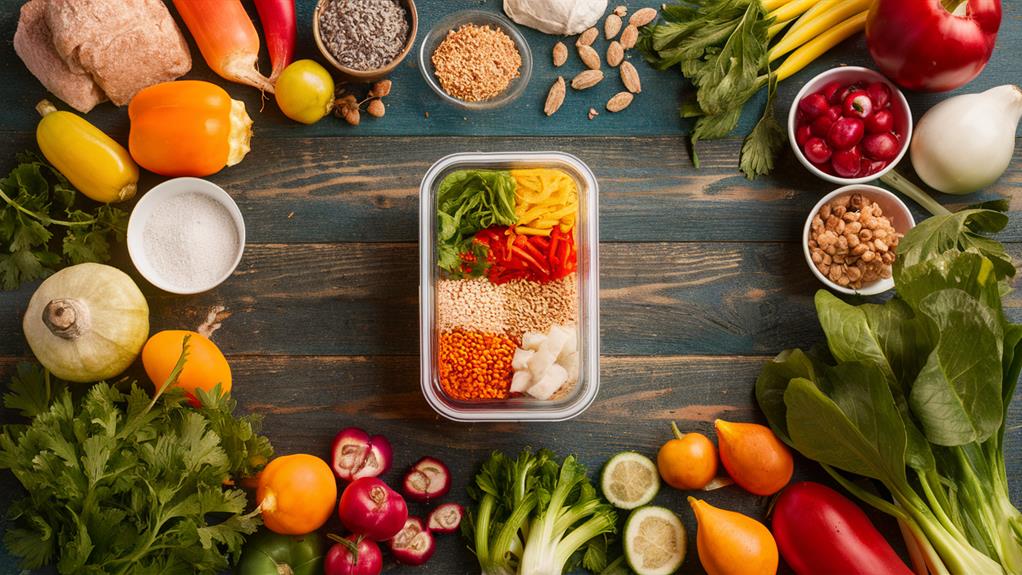
After mastering budget-friendly lunches, it's time to focus on quick and easy dinners that fit into your busy lifestyle while still supporting your fitness goals. You don't have to sacrifice nutrition for convenience. With just a little planning, you can prepare satisfying meals in 30 minutes or less, and often in just one pan, minimizing cleanup time.
Utilizing a slow cooker can further streamline your meal prep, allowing you to create delicious dishes with minimal effort.
Here are some great ideas for quick and easy dinners:
- Stir-fry: Toss your favorite protein (like chicken or tofu) with a mix of colorful veggies and a splash of soy sauce. Serve it over brown rice for a complete meal.
- Sheet pan salmon: Place salmon fillets and seasonal vegetables on a baking sheet, drizzle with olive oil, and roast in the oven. It's nutritious and packed with omega-3s.
- Quinoa salad: Cook quinoa and mix it with black beans, cherry tomatoes, corn, and avocado for a revitalizing meal that's high in protein and fiber.
These one pan dinners not only save time but also guarantee you're eating a balanced diet. You can easily swap ingredients based on what you have on hand or what's in season.
The key is to keep your pantry stocked with essentials like grains, legumes, and frozen veggies. This way, you'll always have the makings of a healthy meal ready to go.
Embrace these quick and easy dinners and enjoy the satisfaction of fueling your body without the hassle!
Healthy Snack Choices
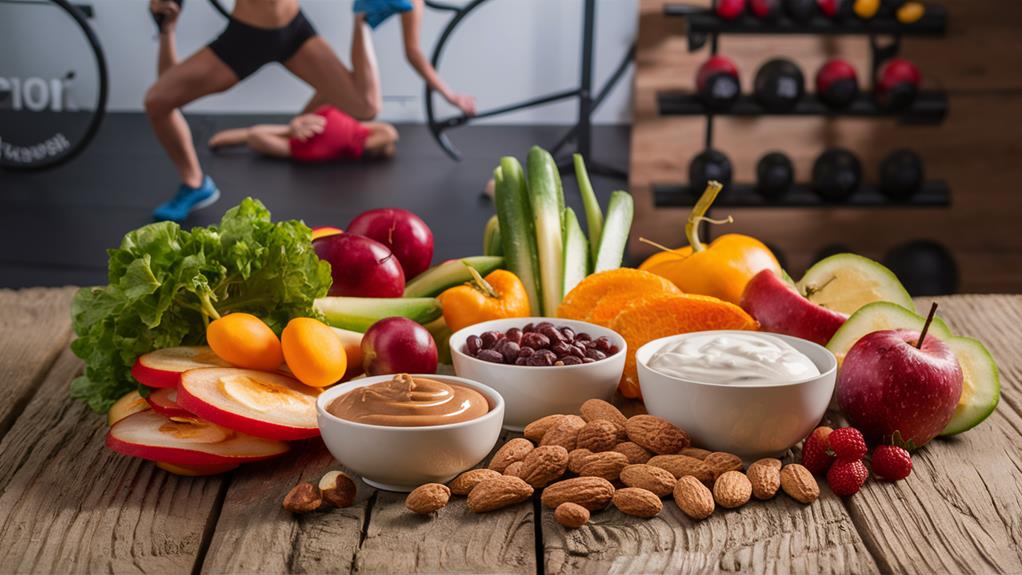
Healthy snacks are essential for maintaining energy levels and supporting your fitness journey throughout the day. When you choose the right snacks, you're not just satisfying hunger; you're also fueling your body to perform at its best. To make the most of your snacking, focus on nutrient timing and portion control.
Opt for snacks that combine protein, healthy fats, and complex carbohydrates. For instance, Greek yogurt with berries provides a great mix of nutrients that help sustain energy. Nuts are another fantastic choice; they're high in healthy fats and protein, but remember to stick to a small handful to manage portion sizes. Pre-packaging your snacks can help with this, ensuring you're not tempted to overindulge.
Timing is also vital. Eating a balanced snack about two to three hours after your main meals can keep your metabolism steady and your energy levels high. This is especially important if you have a workout planned. A banana with almond butter or a whole-grain wrap with turkey can provide the fuel you need without weighing you down.
Lastly, listen to your body. It's okay to feel hungry between meals, but being mindful of what you choose to snack on can make a big difference. By selecting nutrient-dense options and practicing portion control, you'll consistently support your fitness goals and feel more connected to your health journey.
Embrace these healthy snack choices—your body will thank you!
Meal Prep for Success
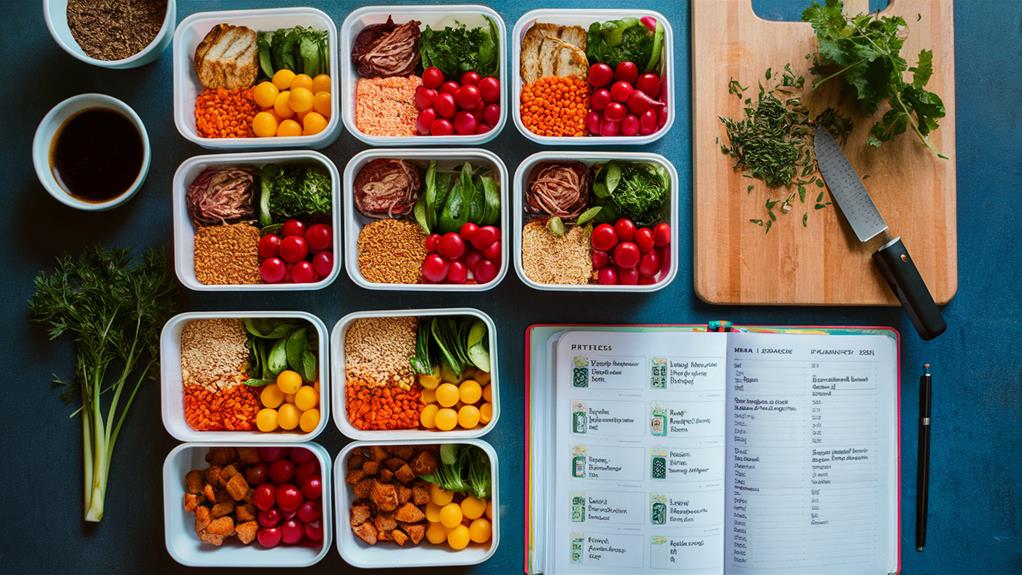
Meal prep is a game changer for anyone looking to stay on track with their fitness goals. By dedicating a few hours each week to planning and preparing your meals, you can save time, reduce stress, and guarantee you're eating nutritious foods that fuel your workouts.
Here are some effective meal prep techniques to examine:
- Batch cooking: Prepare large portions of your favorite meals and divide them into individual servings.
- Ingredient prep: Chop veggies, marinate proteins, or cook grains in advance so you can assemble meals quickly during the week.
- Use versatile recipes: Focus on meals that can be easily modified with different ingredients for variety throughout the week.
When it comes to storage solutions, investing in quality containers is key. Opt for glass or BPA-free plastic containers that are microwave and dishwasher safe.
Labeling your meals with dates helps you keep track of freshness and reduces food waste.
Don't forget to stock your pantry with essential staples like grains, legumes, and spices, so you can whip up healthy meals without a last-minute scramble.
Meal prep not only helps you stay organized, but it also fosters a sense of community. Sharing recipes and meal ideas with friends can create a supportive environment that keeps everyone motivated.
With these strategies in your toolkit, you'll find it easier to maintain a balanced diet while enjoying the journey toward your fitness goals.
Plant-Based Meal Plans
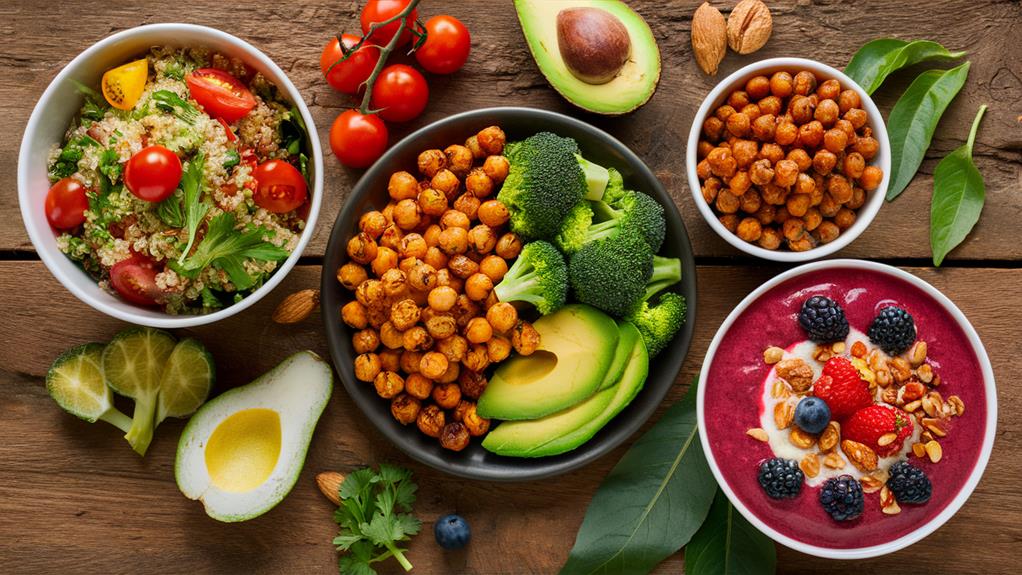
Embracing a plant-based diet can greatly enhance your fitness journey by providing the necessary nutrients without excess calories. By focusing on plant-based nutrition, you're not only fueling your body for performance but also supporting overall health. This approach emphasizes whole foods like fruits, vegetables, nuts, seeds, and legumes, which are packed with vitamins, minerals, and antioxidants.
One of the standout benefits of a plant-based diet is the abundance of fiber-rich foods. Foods like beans, lentils, and whole grains promote digestive health and help keep you feeling full longer, making it easier to manage your weight.
Incorporating a variety of colorful fruits and vegetables not only boosts your nutrient intake but also adds vibrancy to your meals, making them more enjoyable.
Creating a weekly meal plan centered around plant-based options can be both economical and satisfying. Start by selecting a few staple ingredients, such as chickpeas, quinoa, and seasonal vegetables. These can be transformed into hearty salads, nourishing bowls, or comforting soups.
Meal prepping can save time and help you stay committed to your goals.
Don't forget to explore new recipes that showcase plant-based ingredients, allowing you to connect with a community of like-minded individuals who share your passion for health and fitness.
Versatile Grains and Legumes
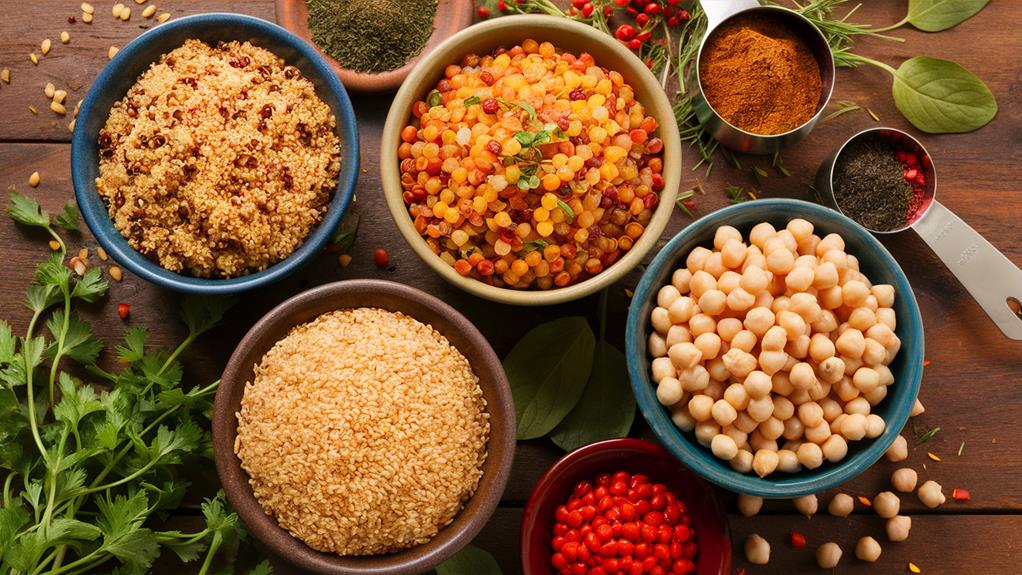
When it comes to diversifying your diet, grains and legumes can really step up your nutrition game. These powerhouse foods aren't only budget-friendly but also packed with essential nutrients that can enhance your overall wellness. By incorporating a variety of grains and legumes into your meals, you'll enjoy their numerous benefits while keeping your grocery bill in check.
Consider these advantages of adding grains and legumes to your diet:
- Grain nutrition: Whole grains like quinoa, brown rice, and oats provide fiber, vitamins, and minerals that support digestive health and energy levels.
- Legume benefits: Beans, lentils, and peas are excellent sources of plant-based protein and fiber, helping you feel full longer and maintain muscle mass.
- Versatility: Both grains and legumes can be used in countless recipes, from salads and soups to stir-fries and grain bowls.
To make the most of these foods, try experimenting with different combinations. For instance, pairing quinoa with black beans creates a complete protein, while lentils mixed with brown rice offers a hearty, satisfying meal.
Incorporating these foods into your meal plans not only boosts your nutrient intake but also fosters a sense of community as you share delicious, wholesome dishes with friends and family.
Embrace the versatility of grains and legumes, and watch your meals transform into nutritious, satisfying experiences that fit your lifestyle and fitness goals.
Affordable Protein Sources
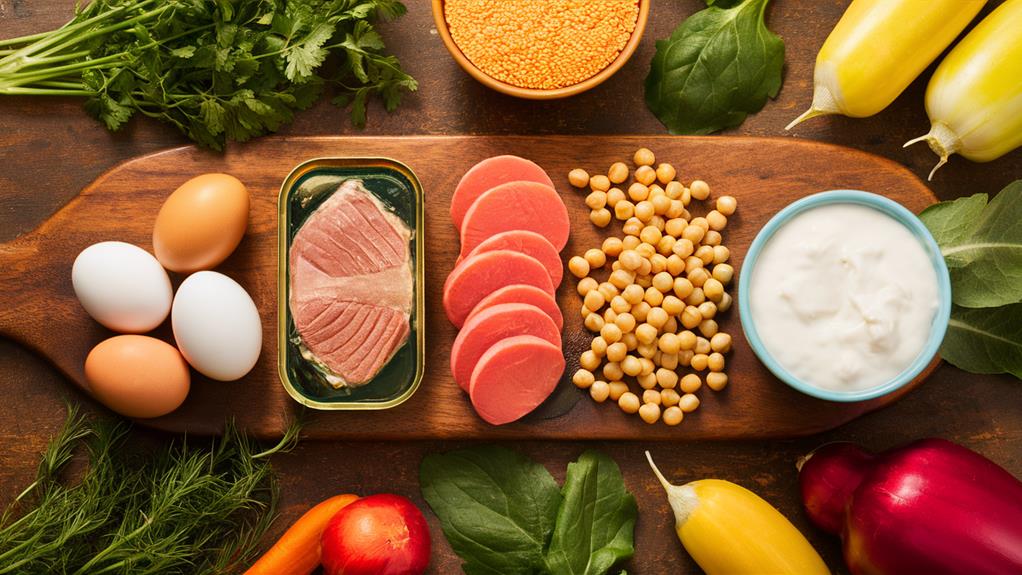
Affordable protein sources are essential for fitness enthusiasts looking to maintain a balanced diet without breaking the bank. Incorporating budget-friendly options not only supports your fitness goals but also fosters a sense of community among those who prioritize health.
Canned tuna is a fantastic choice, providing high protein content at a low cost. You can easily mix it into a quinoa salad or a chickpea salad for a nutrient-packed meal.
Greek yogurt is another versatile option—its creamy texture makes it perfect for snacks or breakfast, and it's great in smoothies when blended with protein powder.
Don't underestimate lentils soup; it's not only filling but also rich in protein and fiber, making it a perfect addition to your meal prep.
Egg muffins, made with your favorite vegetables, are an easy grab-and-go breakfast that packs a protein punch. If you're looking for something heartier, chicken thighs offer more flavor and moisture than chicken breasts while being economical.
Cottage cheese is another protein powerhouse that you can enjoy with fruits or as part of a savory dish. Pairing peanut butter with whole-grain bread or fruits creates a delicious snack that keeps you energized.
These affordable protein sources guarantee that you stay fueled and satisfied while sticking to your budget. By choosing these economical options, you'll not only nourish your body but also feel connected to a community of like-minded fitness enthusiasts aiming for similar goals.
Seasonal Fruits and Vegetables
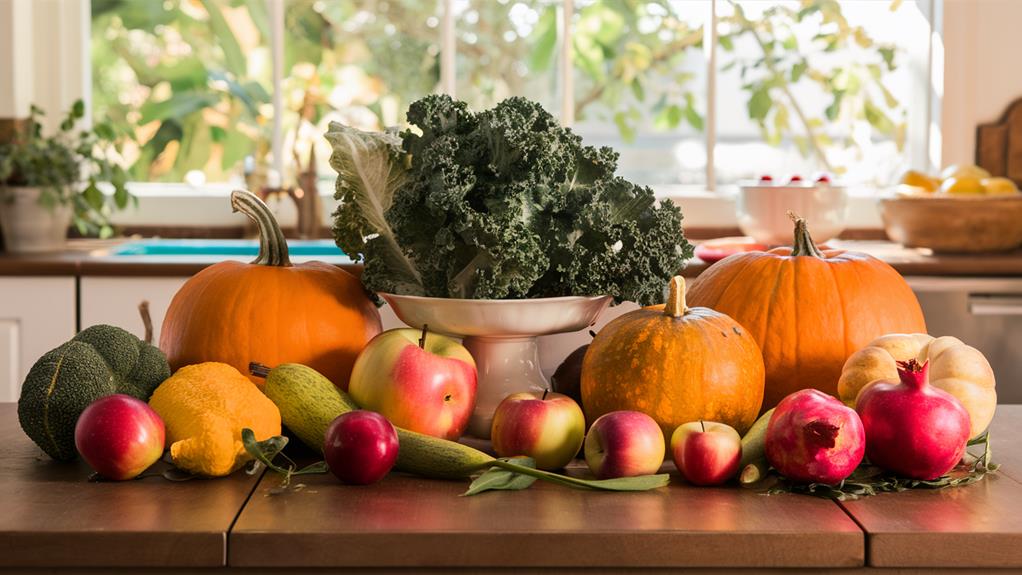
In the heart of each season, fresh fruits and vegetables offer not just vibrant colors and flavors but also essential nutrients that can greatly enhance your fitness journey. By choosing seasonal produce, you're not only reaping the seasonal benefits but also supporting local sourcing, which can be a rewarding experience for both your body and your community.
Eating with the seasons means you'll enjoy fruits and vegetables at their peak nutritional value and taste. Seasonal produce tends to be fresher and more affordable, making it a budget-friendly option for your meal plans. Plus, it helps reduce your carbon footprint, as local sourcing often means less transportation.
Here are some seasonal fruits and veggies you might consider incorporating into your meals:
- Spring: Asparagus, strawberries, spinach
- Summer: Tomatoes, zucchini, blueberries
- Fall: Pumpkins, apples, kale
These options not only keep your meals exciting but also provide a variety of vitamins, minerals, and antioxidants to fuel your workouts.
When you eat seasonally, you're likely to find recipes that align with what's available in your local market, fostering a sense of connection to your food and community.
Creative Leftover Recipes
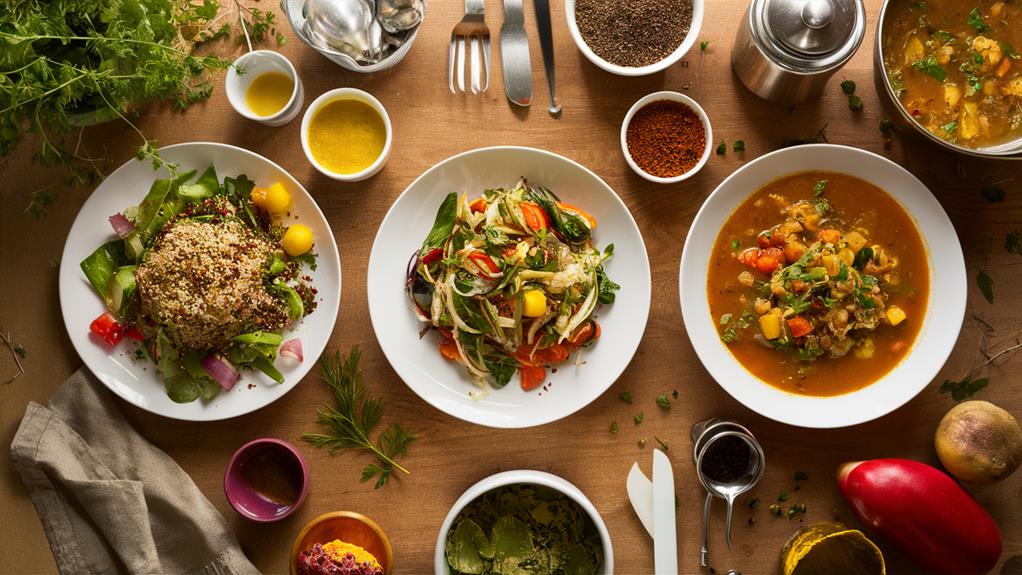
Incorporating seasonal fruits and vegetables into your meals can lead to delicious dishes, but it also often results in leftovers. Instead of tossing those extras, consider some creative leftover transformations that not only reduce waste but also bring new life to your meals. This approach not only saves you money but also lets you enjoy variety throughout the week.
One fantastic way to repurpose leftovers is to create flavorful creative casseroles. For instance, if you've got leftover roasted vegetables, combine them with cooked grains and a protein source like beans or chicken. Add a splash of broth and some cheese, then pop it in the oven for a comforting dish that's perfect for meal prep.
If you've got extra grains, mix them with cooked proteins and spices for a tasty stir-fry or grain bowl. Toss in any fresh herbs or greens you have on hand to brighten the dish.
Don't forget about breakfast! Leftover veggies can easily be folded into an omelet or a hearty frittata. This not only helps you start the day with a nutritious meal but also helps you use up what you've got in the fridge.
Frequently Asked Questions
How Can I Maintain Variety in My Meal Plans Without Overspending?
To maintain variety in your meal plans without overspending, focus on seasonal ingredients, which are often cheaper and fresher.
Try budget-friendly swaps, like using beans instead of meat or frozen vegetables instead of fresh.
Plan your meals around sales and incorporate different cuisines to keep things interesting.
Experiment with spices and herbs to enhance flavors without adding costs.
What Are the Best Kitchen Tools for Meal Prep on a Budget?
When you're diving into meal prep, think of it as an artist creating a masterpiece.
Your meal prep essentials don't have to break the bank. Start with budget-friendly gadgets like a quality cutting board, sharp knife, and reusable container set.
A rice cooker and a slow cooker can also work wonders, making meals effortless.
These tools not only save time but also help you explore new recipes, fostering a true sense of belonging in the culinary world.
How Do I Calculate My Daily Protein Needs Effectively?
To calculate your daily protein needs effectively, start by determining your activity level.
Generally, active individuals require about 1.2 to 2.2 grams of protein per kilogram of body weight.
Consider your protein sources, like chicken, beans, or tofu, and aim for a balanced intake throughout the day.
Don't forget to adjust based on your fitness goals, whether it's building muscle or maintaining weight.
This way, you'll guarantee you're fueling your body properly.
Can I Freeze Meals to Save Money and Time?
Did you know that freezing meals can save you up to 50% on your grocery bill?
By meal freezing, you not only cut costs but also save time during your busy week. Prepare meals in bulk, portion them, and store them in the freezer.
This way, you'll always have nutritious options ready to go, reducing the temptation to order takeout.
Plus, it fosters a sense of community when sharing homemade meals with friends or family.
What Are Affordable Options for Meal Planning Apps or Websites?
When it comes to affordable meal planning apps or websites, you've got some great options.
Apps like MyFitnessPal and Lose It! offer meal tracking features and budget recipes that cater to various diets.
You can also explore websites like Budget Bytes, which focuses on cost-effective meals.
These resources not only help you save money but also create a sense of community among those who share similar goals.
You'll find support and inspiration while staying on budget!
Conclusion
Incorporating economical meal plans into your fitness routine not only saves money but also supports your health goals. Research shows that planning meals can reduce food waste by up to 30%, making it both a budget-friendly and environmentally conscious choice. By choosing high-protein breakfasts, quick dinners, and creative ways to use leftovers, you'll fuel your workouts without breaking the bank. Start implementing these tips today, and watch your fitness journey thrive while keeping your wallet happy!