

Living sustainably and frugally doesn't have to stretch your budget. Start by meal planning to cut waste and support local farmers. Reduce energy consumption by upgrading appliances and sealing drafts. Shopping secondhand not only saves money but also helps reduce landfill waste. Try growing your own food, even in small spaces, and use public transportation to lower travel costs. Embrace minimalism by decluttering and making mindful purchases. Buying in bulk and repairing items instead of replacing them can also save you cash. If you're curious about more tips to enhance your eco-friendly lifestyle, there's plenty more to explore.
Key Takeaways
- Embrace meal planning to maximize seasonal ingredients, reduce waste, and encourage mindful eating habits while saving money.
- Shop secondhand at thrift stores and online marketplaces to find unique items and reduce landfill waste.
- Grow your own food using container gardening or vertical farming to save on grocery costs and promote sustainability.
- Use public transportation to lower personal expenses while contributing to reduced traffic congestion and emissions.
- Opt for reusable items like bags and water bottles to minimize plastic waste and save on long-term costs.
Embrace Meal Planning
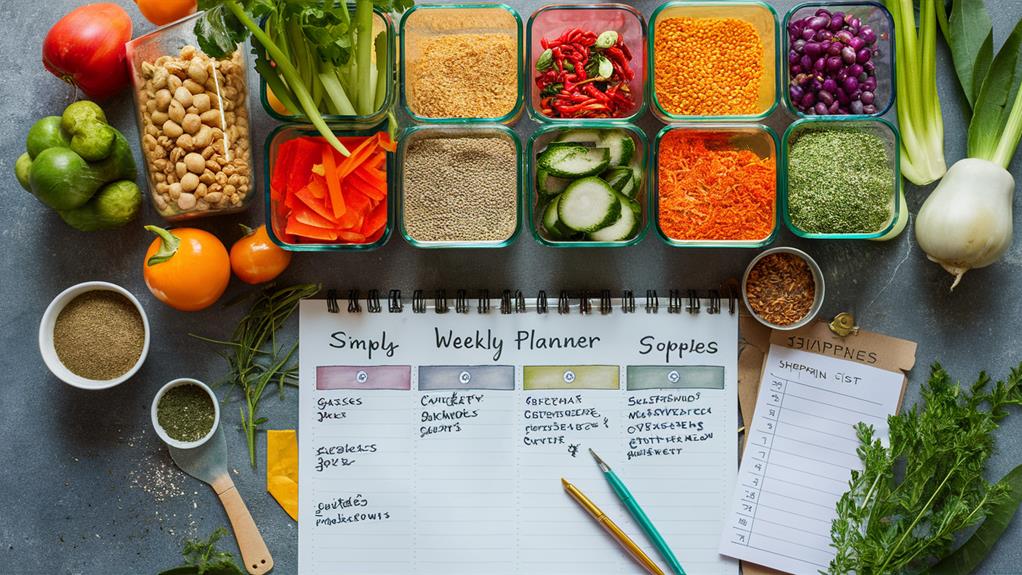
Meal planning is a game changer for anyone looking to live sustainably without breaking the bank. By organizing your meals in advance, you can take full advantage of seasonal ingredients, ensuring you're eating fresh and nutrient-rich food while supporting local farmers.
Additionally, incorporating eco-friendly practices in your meal preparation, such as using plant-based products, can enhance your sustainability efforts. Start by creating a weekly menu that highlights what's in season, which can save you money and reduce your carbon footprint.
Portion control is another key benefit of meal planning. By preparing appropriate serving sizes, you minimize food waste and make sure you're not overindulging. This practice not only helps maintain a healthier diet but also encourages mindful eating habits.
When you're intentional about your meals, you cultivate a greater appreciation for the food you consume.
To make meal planning more manageable, try dedicating a specific day each week to plan and prep. Gather your family or friends, and turn it into a fun, collaborative activity. Share ideas, swap recipes, and make it a social occasion. This sense of community can enhance your commitment to sustainable living.
Once you've got your plan, create a shopping list focused on your chosen seasonal ingredients. Stick to this list while shopping to avoid impulse buys, which often lead to waste.
You'll not only save money but also foster a sense of belonging to a larger movement towards sustainability. Embracing meal planning can transform your approach to food, making it both eco-friendly and budget-conscious.
Reduce Energy Consumption

Reducing energy consumption is one of the most effective ways to live sustainably while saving money. By adopting simple changes in your daily habits and utilizing modern technology, you can create a more eco-friendly home without breaking the bank.
One area to reflect on is your hot water usage; upgrading to energy-efficient models, like tankless water heaters, can provide considerable savings. Here are some practical tips to help you get started:
- Upgrade to energy efficient appliances: Investing in appliances that are ENERGY STAR certified can greatly lower your energy bills. Look for refrigerators, washing machines, and dryers that consume less power.
- Implement smart home technology: Smart thermostats and lighting systems allow you to control energy usage more efficiently. Schedule your heating or cooling systems to turn off when you're away, and use smart bulbs to reduce energy waste.
- Seal drafts: Check windows and doors for gaps where air leaks out. Use weather stripping or caulk to seal these areas, keeping your home comfortable and reducing the need for heating or cooling.
- Unplug devices: Many electronics consume energy even when they're turned off. Unplug chargers, coffee makers, and other devices when not in use, or use power strips to easily turn off multiple devices at once.
Shop Secondhand

Shopping secondhand can save you money while considerably reducing your environmental footprint. When you choose to shop at thrift stores or online marketplaces, you're not just finding unique thrift store finds; you're also keeping perfectly good items from ending up in landfills. This conscious choice connects you to a community of like-minded individuals who value sustainability and creativity.
Additionally, consider using reusable shopping bags to further reduce your impact while shopping, as they can replace over 1,000 single-use plastic bags.
Vintage clothing is a fantastic way to express your personal style while being eco-friendly. Each piece has its own story and character, allowing you to stand out without contributing to the fast fashion industry. Plus, you often find quality materials that last longer than many mass-produced items. By investing in secondhand clothing, you're making a statement about valuing craftsmanship and sustainability.
Not sure where to start? Explore local thrift shops or check out online platforms dedicated to secondhand goods. You'll be amazed at the treasures you can uncover.
Don't shy away from rummaging; the thrill of the hunt is part of the experience. Set a budget and take your time—embracing this slow shopping approach not only helps you save money but also encourages mindful consumption.
Grow Your Own Food

If you're looking to make a positive impact on both your wallet and the environment, growing your own food is a rewarding choice. Not only does it save you money, but it also fosters a sense of community and connection with nature.
Whether you have a sprawling backyard or just a small balcony, there's a method for you. Here are some budget-friendly ideas to get you started:
- Container Gardening: Perfect for small spaces, you can use pots or repurposed containers to grow herbs, vegetables, or fruits. Just make sure they've good drainage!
- Vertical Farming: Utilize vertical space by stacking planters or using wall-mounted gardens. This method is great for maximizing your yield in tight areas.
- Composting Techniques: Turn kitchen scraps and yard waste into rich compost for your plants. It reduces landfill waste and improves soil health.
- Seed Swapping: Connect with neighbors or local gardening clubs to exchange seeds. This not only saves you money but also fosters a sense of community.
For those in urban settings, consider hydroponic systems or urban gardening practices to cultivate your greens.
Growing your own food can be a fulfilling journey, allowing you to enjoy fresh produce while being eco-conscious. Plus, sharing your harvest with friends and family can create bonds and inspire others to join in on the sustainable living movement.
Use Public Transportation

After cultivating fresh produce at home, consider how you can further reduce your environmental footprint by using public transportation.
It's not just economical; it's a lifestyle choice that fosters community connection and lessens your carbon impact. Embracing public transit helps you save money on fuel, parking, and maintenance—allowing you to allocate those savings toward other sustainable practices.
The transportation benefits extend beyond your wallet. By choosing buses or trains over personal cars, you're contributing to reduced traffic congestion and lower greenhouse gas emissions.
Plus, you'll find that many cities have made significant investments in their public transit systems, making them more efficient and user-friendly than ever.
To make the most of your public transportation experience, consider using public transit apps. These handy tools can provide real-time updates on schedules, routes, and even crowd levels, helping you plan your journey more effectively.
By staying informed, you can avoid the frustration of delays and make your commute smoother.
Joining the ranks of fellow public transit users also fosters a sense of belonging. You'll share rides with others who are equally committed to sustainable living, creating a community of eco-conscious individuals.
DIY Household Products

Creating your own household products is a simple yet effective way to embrace sustainable living while saving money. By using natural cleaning solutions, you not only reduce your carbon footprint but also avoid harmful chemicals often found in commercial products.
Plus, it's a fun way to get creative and feel connected to your home.
Here are four easy DIY household products you can whip up using eco-friendly ingredients:
- All-Purpose Cleaner: Mix equal parts of white vinegar and water in a spray bottle. Add a few drops of essential oil for a fresh scent. This solution works wonders on countertops and windows.
- Baking Soda Scrub: Combine baking soda with a bit of water to form a paste. This scrub is perfect for tackling tough stains in your kitchen and bathroom. It's gentle yet effective!
- Laundry Detergent: Grate a bar of soap and mix it with a cup of washing soda and a cup of borax. This homemade detergent isn't only cheaper but also free from synthetic fragrances.
- Air Freshener: Fill a small bowl with baking soda and add a few drops of your favorite essential oil. Place it in your room to absorb odors naturally.
Practice Minimalism

Minimalism isn't just about decluttering your space; it's a mindset that can transform your life and promote sustainable living. By embracing minimalism, you're not just clearing out physical clutter but also creating a more intentional way of living. This approach encourages you to focus on what truly matters, allowing you to cultivate a sense of belonging and connection to your surroundings.
Start by evaluating your belongings. Identify items that no longer serve a purpose or bring you joy. Declutter spaces methodically—tackle one room at a time. This process can be incredibly liberating and helps you appreciate the things you choose to keep.
As you remove excess, you'll find that your environment feels lighter and more inviting. Mindful consumption plays a significant role in minimalism. Before making a purchase, ask yourself if it aligns with your values and if it's something you genuinely need.
This practice fosters a deeper awareness of your choices and limits waste. When you buy intentionally, you not only save money but also contribute to a more sustainable lifestyle.
Buy in Bulk

Buying in bulk is a savvy strategy that can save you money and reduce waste. By opting for bulk purchasing, you not only lower your expenses but also contribute to a more sustainable lifestyle.
Here are some practical tips to help you make the most of buying in bulk:
- Plan Your Purchases: Before heading to the store, create a list of items you frequently use. This helps you avoid impulse buys and guarantees you only purchase what you need.
- Choose the Right Products: Focus on non-perishable items like grains, dried beans, and canned goods. These have a longer shelf life and can be great staples in your pantry.
- Invest in Storage Solutions: To keep your bulk purchases fresh, use airtight containers. Glass jars or reusable bags not only extend the life of your food but also look great on your kitchen shelves.
- Share with Friends: Team up with friends or family to split bulk purchases. This way, you can enjoy the savings and minimize the risk of waste, while also fostering a sense of community.
Repair Instead of Replace

Your belongings deserve a second chance, and repairing instead of replacing can be a game-changer for both your wallet and the environment. When something breaks, your first instinct might be to toss it and buy new. However, you can save money and reduce waste by learning some simple fixing techniques.
Start by evaluating the damage. Many items, from shoes to electronics, can be repaired with a bit of creativity and effort. Look for online tutorials that guide you through various fixing techniques. You'd be surprised at how many fixes are easier than you think! For example, sewing a tear in your favorite jeans or re-gluing a chair leg can extend the life of these items considerably.
Consider joining a local repair workshop. These community events are fantastic for learning hands-on skills and connecting with like-minded individuals. You might discover new techniques, tools, and tips that make repairs even easier. Plus, the sense of accomplishment you'll feel after fixing something yourself is unmatched.
Don't overlook small items either; even minor repairs can lead to considerable savings over time. Whether it's replacing a button, fixing a zipper, or patching a hole, every little effort counts.
Opt for Reusable Items

Choosing reusable items is a smart way to reduce waste and save money in the long run. By making simple sustainable swaps, you can greatly cut down on single-use products that often end up in landfills.
Plus, embracing reusable options helps foster a sense of belonging to a community that cares about the planet.
Here are four easy swaps you can make today:
- Reusable Bags: Instead of grabbing plastic bags at the store, invest in sturdy reusable bags. They're not only eco-friendly but also often more stylish, making your shopping trips feel more intentional.
- Reusable Water Bottles: Ditch disposable plastic bottles and opt for a reusable water bottle. You'll save money on beverages and stay hydrated while reducing plastic waste.
- Cloth Napkins: Replace paper napkins with cloth ones. This simple swap adds a touch of elegance to your meals and cuts down on the paper waste you generate.
- Beeswax Wraps: Instead of plastic wrap, use beeswax wraps to cover food. They're reusable, easy to clean, and keep your food fresh while lessening your plastic footprint.
Frequently Asked Questions
How Can I Start Budgeting for Sustainable Living?
To start budgeting for sustainable living, identify your sustainable priorities.
List your essential expenses, then allocate funds towards eco-friendly choices like local products or renewable energy.
Use budgeting strategies like the 50/30/20 rule to balance needs, wants, and savings.
Track your spending to guarantee you're aligning with your values.
What Are Some Low-Cost Eco-Friendly Products?
When you're looking for low-cost eco-friendly products, consider investing in reusable bags for shopping.
They're durable, cut down on plastic waste, and often come in stylish designs.
Also, think about compost bins; they help you recycle food scraps while enriching your garden soil.
You'll find that these small changes not only benefit the planet but also create a sense of community with others who care about sustainable living.
How Do I Find Local Community Gardens?
Finding local community gardens can feel like uncovering hidden treasures, much like discovering a secret garden.
Start by exploring community garden resources online, where you'll find lists and maps. Join urban gardening networks on social media, where passionate gardeners share their experiences and locations.
Don't hesitate to ask neighbors or local organizations about nearby gardens. Connecting with others who share your eco-conscious values will make your gardening journey even more rewarding.
What Are the Benefits of Frugal Living?
Frugal living offers numerous benefits, starting with financial mindfulness. By making conscious spending choices, you prioritize what truly matters and save money for future needs.
Resource conservation is another key advantage; you learn to use items wisely, reducing waste and benefiting the environment.
Embracing a frugal lifestyle fosters a sense of belonging within communities that value sustainability. You'll connect with like-minded individuals, sharing ideas and supporting each other in this eco-conscious journey.
How Can I Motivate My Family to Adopt Sustainable Habits?
You might think your family won't be on board with sustainable habits, but it's all about making it fun and engaging.
Start by involving everyone in small eco-friendly projects, like gardening or recycling challenges. Use positive reinforcement to celebrate their efforts, highlighting how these changes benefit the planet and your family.
Overcoming family challenges together fosters a sense of belonging, making everyone feel like they're part of something important.
Conclusion
By incorporating these budget-friendly tips into your lifestyle, you're not just saving money—you're also making a positive impact on the planet. Research shows that sustainable living can lead to a healthier environment and a happier you. So, why not challenge yourself to adopt these practices? Embrace meal planning, shop secondhand, and grow your own food. You'll discover that frugal living and sustainability go hand in hand, proving that being eco-conscious doesn't have to break the bank.