
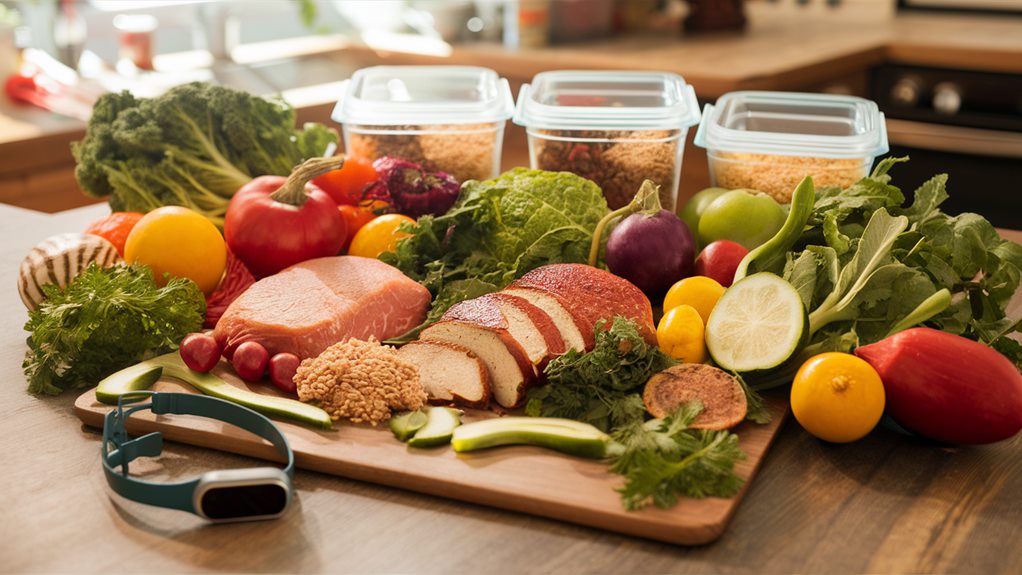
You can achieve your fitness goals without breaking the bank with these 10 economical meal plans designed for fitness enthusiasts. Start with high-protein breakfasts like Greek yogurt smoothies or veggie omelets to fuel your day. For lunch, consider a quinoa salad or a vegetable stir fry—both are nutritious and budget-friendly. Dinner options could include chickpea stir fries or pasta primavera loaded with veggies. Don't forget smart snacks like homemade energy balls and fresh fruits for energy on the go. By focusing on seasonal ingredients and smart shopping, you'll make healthy eating affordable and enjoyable. There's so much more to explore!
Key Takeaways
- Plan meals around seasonal ingredients to maximize freshness, nutrition, and cost-effectiveness in your diet.
- Utilize batch cooking and meal prep strategies to create affordable, nutritious meals for the week.
- Incorporate high-protein, budget-friendly options like chickpeas, quinoa, and Greek yogurt to support muscle recovery.
- Focus on whole foods and avoid processed items by shopping the perimeter of grocery stores.
- Create a shopping list and compare prices to prevent impulse buys and stick to your nutritional goals.
Meal Plan Overview
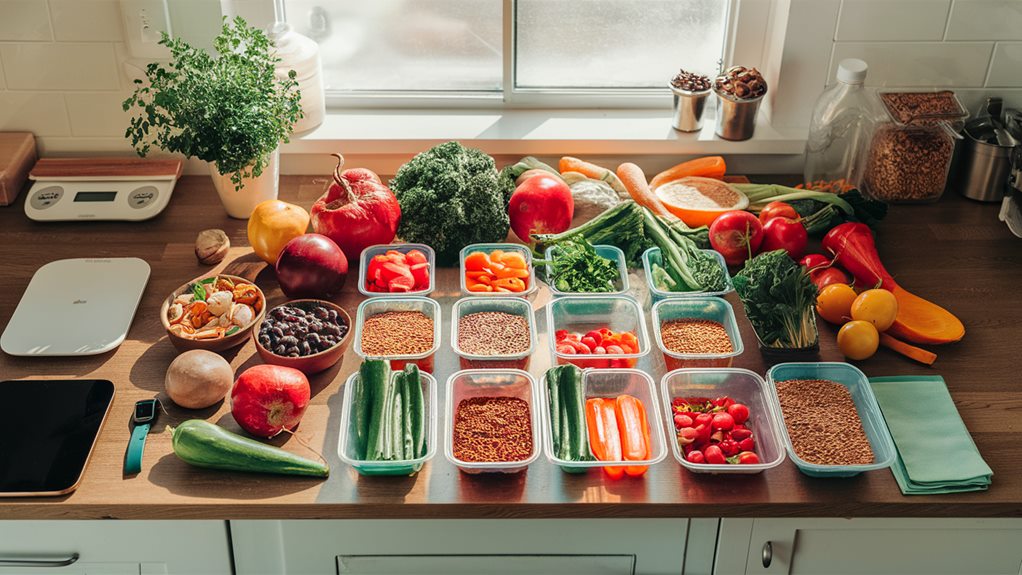
When it comes to optimizing your fitness journey, a well-structured meal plan is essential. Understanding meal prep basics can considerably enhance your results, making it easier to stay on track with your nutritional goals.
Start by outlining your weekly meals, focusing on whole foods like fruits, vegetables, lean proteins, and whole grains. This approach not only fuels your body but also helps you enjoy the journey. Incorporating a variety of recipe options can keep your meals exciting and aligned with your dietary preferences.
Portion control is another key aspect of effective meal planning. By measuring your servings, you can avoid overeating and guarantee you're getting the right amount of nutrients. Use tools like measuring cups or a food scale to help you visualize appropriate portions.
This practice fosters mindfulness around food choices, making each meal more satisfying. To simplify your meal prep, consider dedicating a specific day each week to cook and portion meals in advance.
Batch cooking can save time and reduce stress during busy weekdays. By investing effort into planning and preparing, you'll create a routine that supports your fitness goals and builds a sense of community.
High-Protein Breakfast Ideas
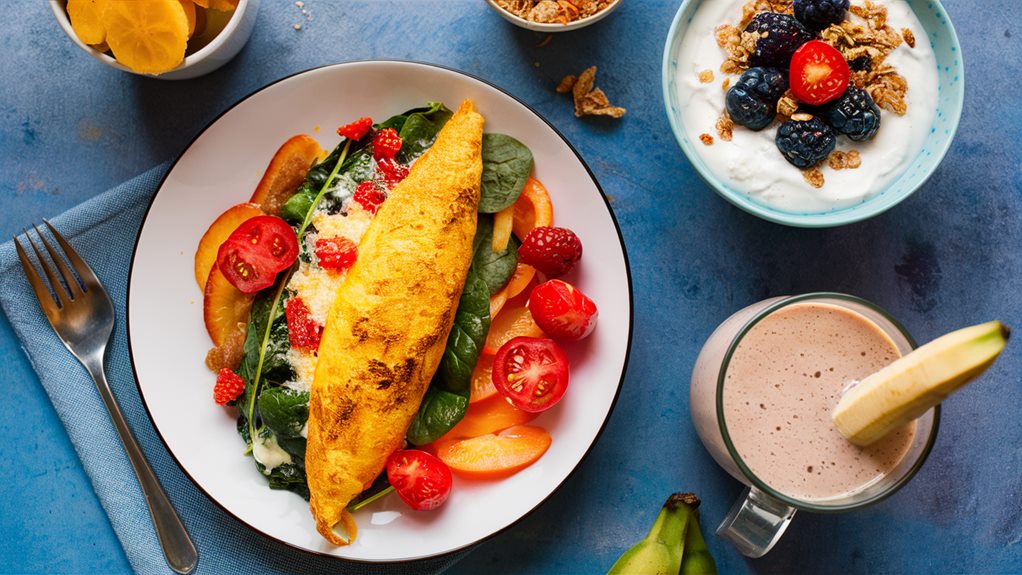
A high-protein breakfast can set the tone for your day, fueling your body and supporting muscle recovery. Starting your morning with protein not only keeps you feeling full longer but also helps maintain energy levels throughout your workouts.
Additionally, incorporating essential oils like peppermint or lavender in your morning routine can enhance your overall well-being and support relaxation aromatherapy benefits.
Here are some practical high-protein breakfast ideas to kickstart your day:
- High Protein Smoothies: Blend together Greek yogurt, spinach, and a scoop of protein powder for a nutrient-packed smoothie. It's quick, delicious, and perfect for on-the-go.
- Egg-Based Dishes: Try a hearty omelet loaded with veggies and topped with cheese. Eggs provide essential amino acids that are crucial for muscle repair.
- Cottage Cheese Bowl: Top cottage cheese with berries and nuts for a satisfying, protein-rich breakfast that also offers healthy fats.
Incorporating these options into your meal plan not only supports your fitness goals but also enhances your well-being.
Budget-Friendly Lunch Options
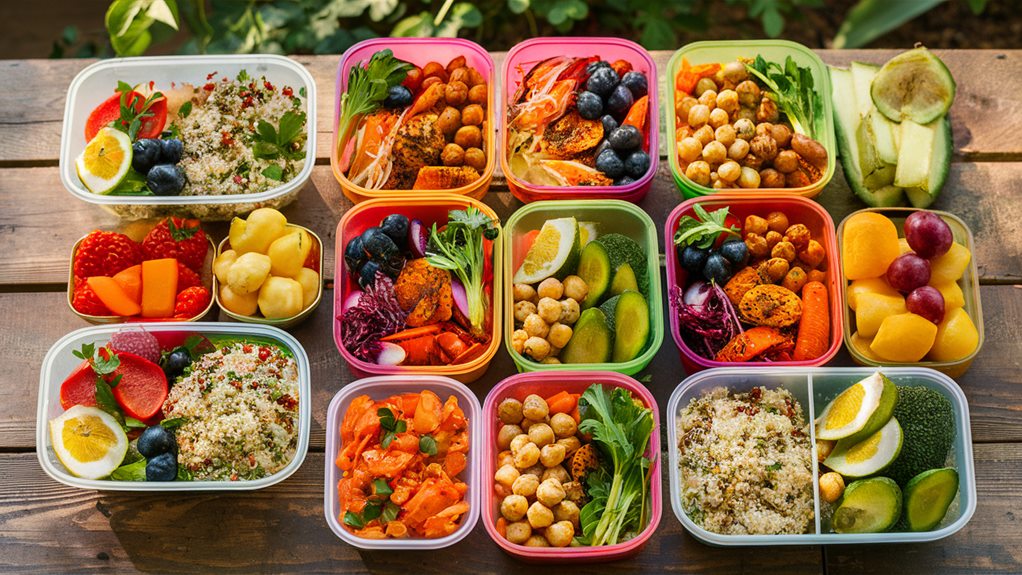
Finding budget-friendly lunch options doesn't have to be a challenge, especially when you're focused on maintaining a healthy diet. With a little creativity and planning, you can whip up meals that are both nutritious and easy on your wallet.
One great option is a vegetable stir fry. You can use a mix of fresh or frozen vegetables, which are often more affordable and nutritious. Toss them in a pan with a splash of soy sauce and serve over brown rice or whole grain noodles. This dish is versatile—feel free to add whatever veggies you have on hand!
Additionally, incorporating eco-friendly ingredients into your meals, like plant-based proteins, can make your lunches healthier and more sustainable.
Another excellent choice is a quinoa salad. Quinoa is a protein-packed grain that's also budget-friendly. Combine cooked quinoa with diced cucumbers, tomatoes, and chickpeas. Drizzle with olive oil and lemon juice for a revitalizing lunch that keeps you full.
Both options aren't only economical but also promote a sense of community; you can share recipes and meal prep ideas with friends who share your fitness goals. By preparing these dishes at home, you're embracing a healthy lifestyle without breaking the bank.
Affordable Dinner Recipes
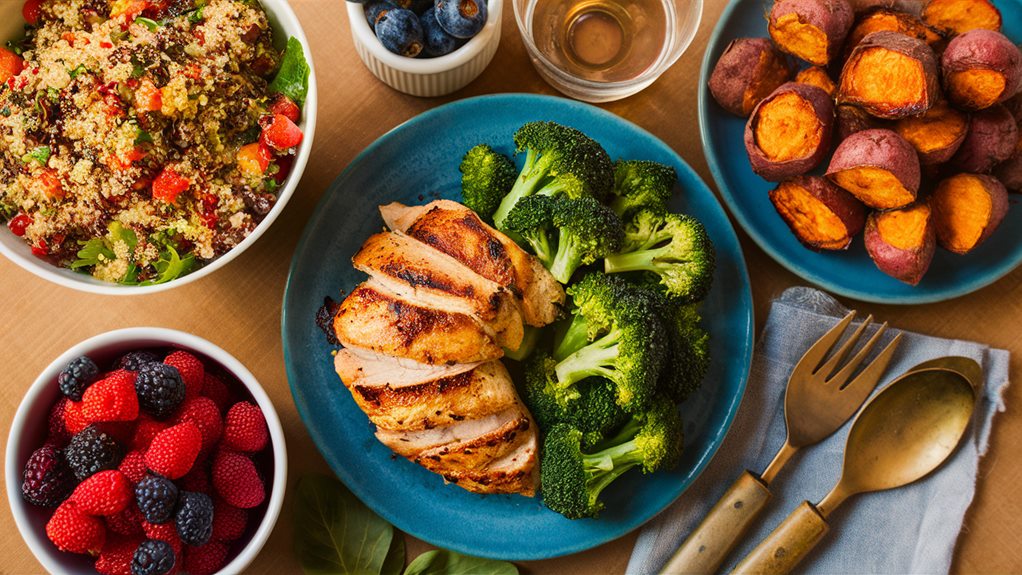
After enjoying budget-friendly lunches, it's time to contemplate affordable dinner recipes that can fit seamlessly into your fitness-focused lifestyle.
Dinner doesn't have to break the bank or derail your health goals. With a few healthy swaps and quick dinners, you can whip up satisfying meals that fuel your body and keep your budget intact.
Here are three affordable dinner ideas to reflect on:
- Chickpea Stir-Fry: Swap out meat for protein-packed chickpeas. Toss them with your favorite vegetables and a splash of low-sodium soy sauce for a flavorful meal.
- Vegetable Quinoa Bowl: Combine cooked quinoa with seasonal veggies, a drizzle of olive oil, and some herbs. It's filling, nutritious, and budget-friendly.
- Pasta Primavera: Use whole-grain pasta and load it with colorful veggies. You'll still enjoy a comforting dish while adding fiber and nutrients.
Snacks for Energy on a Budget
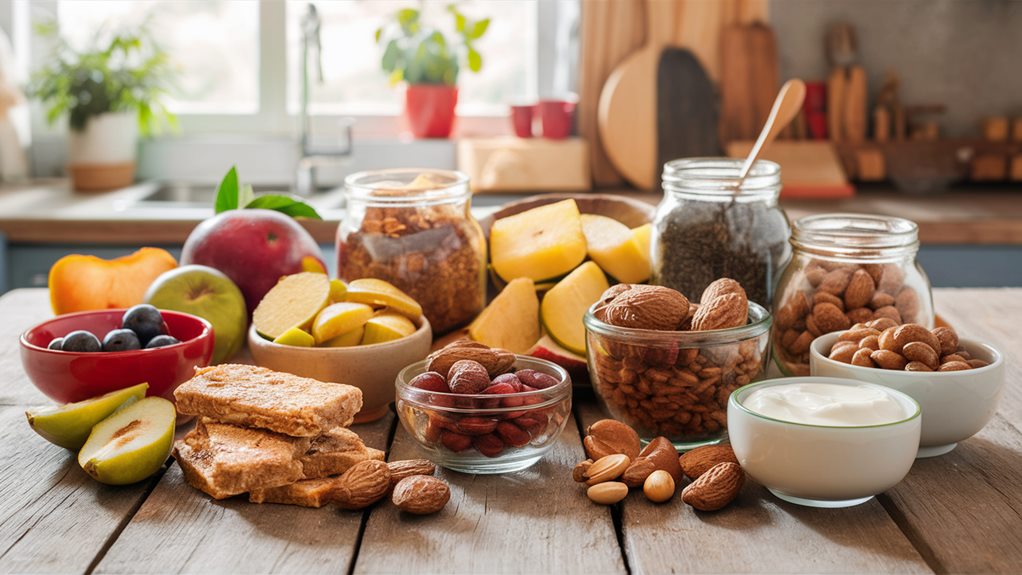
How can you keep your energy levels up without overspending? The key lies in choosing the right energy-boosting snacks that align with your budget. Instead of splurging on expensive protein bars, consider budget snack swaps like homemade energy balls made from oats, peanut butter, and honey. They're cost-effective and packed with nutrients to fuel your workouts.
Another great option is fresh fruit. Bananas, apples, or oranges aren't only affordable but also provide quick energy. Pairing them with a handful of nuts can create a satisfying, balanced snack that keeps you full longer.
Greek yogurt is another budget-friendly choice; buy it in bulk and mix it with some berries for added flavor and antioxidants.
Don't forget about popcorn! Air-popped popcorn is an excellent, low-cost snack that offers fiber and can be seasoned to your liking.
As you explore these energy-boosting snacks, you'll find that eating well doesn't have to break the bank. Embrace these smart, economical choices, and you'll feel more energized while building a supportive community of health-conscious friends who share your goals.
Meal Prep Strategies
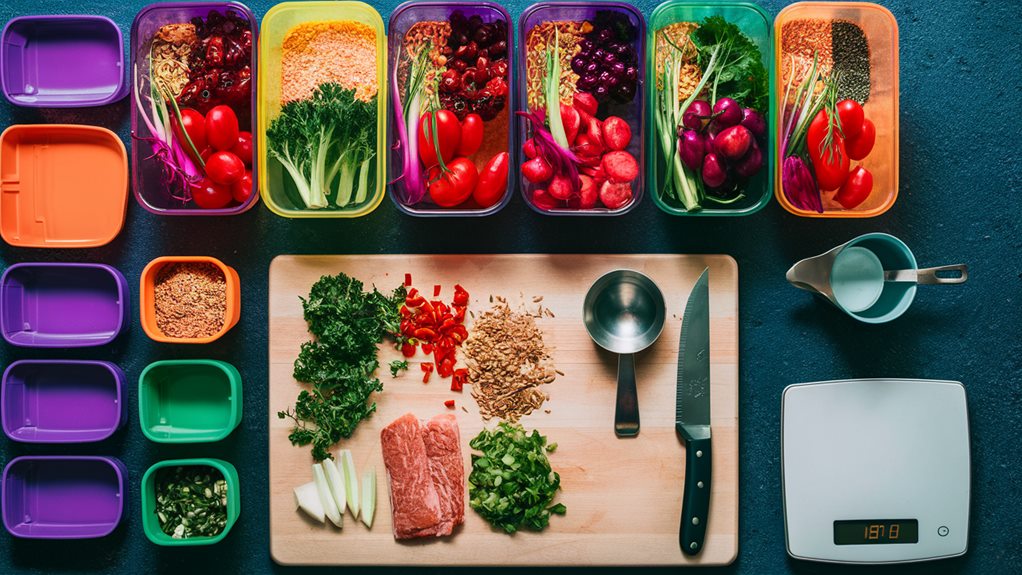
Maintaining high energy levels throughout your fitness journey goes hand in hand with effective meal prep strategies. By adopting these techniques, you'll not only save time and money but also guarantee that you're fueling your body appropriately.
Here are some practical tips to enhance your meal prep game:
- Batch Cooking: Cook large quantities of nutritious meals at once. This way, you can easily portion out servings for the week ahead, reducing daily cooking stress.
- Portion Control: Invest in meal containers to help you manage serving sizes. This guarantees you're not overeating and can stick to your fitness goals.
- Plan Ahead: Spend a few minutes each week planning your meals. Knowing what you'll eat helps you avoid impulse buys and keeps you aligned with your dietary needs.
Seasonal Ingredients to Save Money
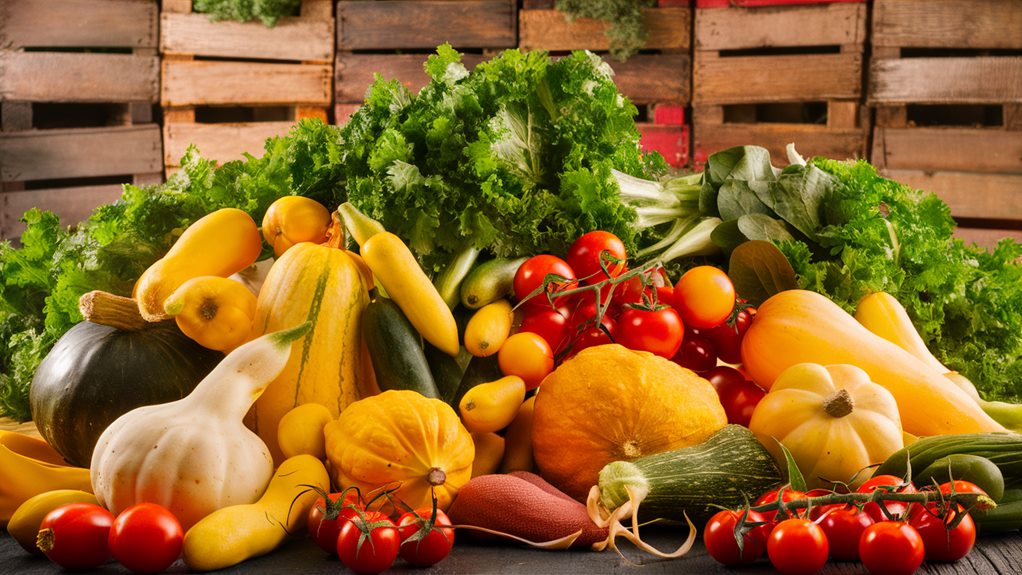
When you prioritize seasonal ingredients, you not only enhance the flavor and nutritional value of your meals but also save money. Seasonal produce is typically more abundant, which drives down prices at local farmers markets. By shopping for fruits and vegetables that are in season, you can take advantage of lower costs and fresher options.
For instance, in the summer, you might find ripe tomatoes or juicy peaches at a fraction of the price compared to off-season imports. Not only do these seasonal ingredients taste better, but they also pack more nutrients, making your meals healthier and more satisfying.
Visit your local farmers market regularly to discover what's in season. Engage with the vendors; they can offer insights on the best produce and even share recipes. Plus, supporting local farmers strengthens your community and fosters a sense of belonging.
Plan your meals around seasonal ingredients to create flavorful dishes without breaking the bank. By incorporating these fresh finds into your meal prep, you'll enjoy delicious, nutritious meals while keeping your budget in check.
Nutrient-Dense Foods to Include
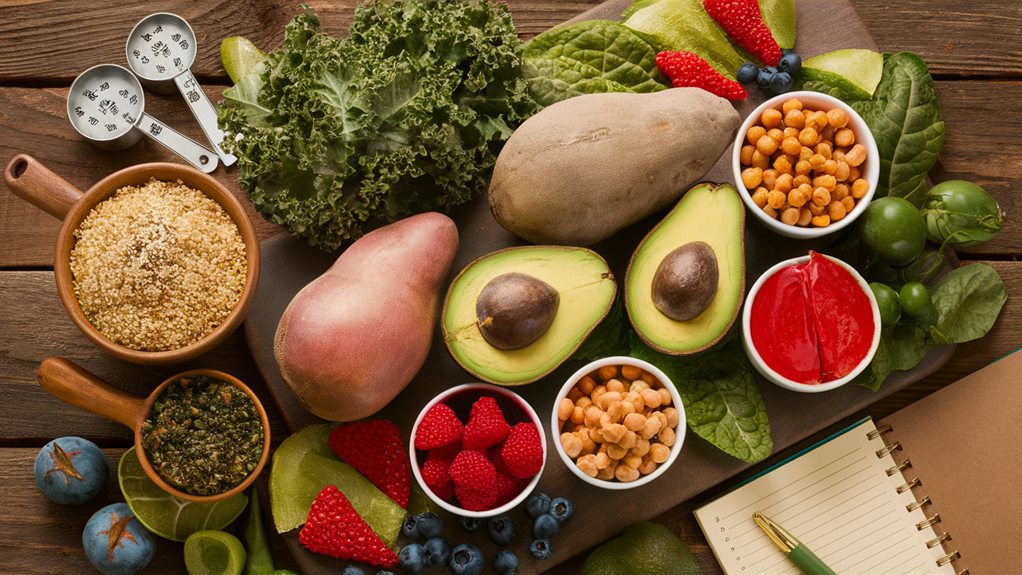
Incorporating seasonal ingredients into your meals sets a solid foundation for your nutrition, but it's equally important to focus on nutrient-dense foods. These foods not only offer superfood benefits but also provide essential vitamins and minerals that support your active lifestyle.
To maximize your nutrition, consider the following:
- Healthy fats: Avocados, nuts, and seeds can enhance your meals while providing energy.
- Fiber-rich foods: Beans, lentils, and whole grains keep you full and support digestion.
- Protein sources: Incorporate lean meats, eggs, and plant-based options like tofu or tempeh for muscle recovery.
When planning your meals, keep nutrient timing in mind. Eating the right foods at the right times can optimize your performance and recovery.
Aim for meal diversity to guarantee you're getting a wide range of micronutrients. Portion control is key; focus on balanced plates that include healthy fats, proteins, and fiber-rich foods.
Don't forget to stay hydrated—hydration strategies are essential for overall well-being. By prioritizing nutrient-dense foods, you'll fuel your fitness journey while enjoying delicious, satisfying meals.
Tips for Shopping Smart
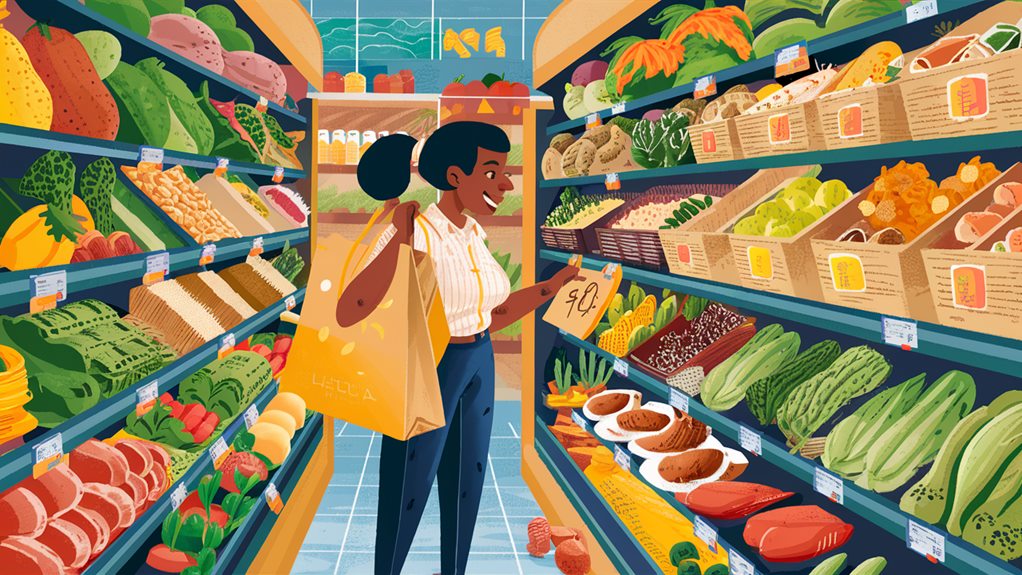
Smart shopping is essential for fitness enthusiasts looking to maximize their nutrient intake while staying within budget. To get the most bang for your buck, consider using a few grocery store hacks.
First, always make a shopping list before you go. This helps you avoid impulse purchases and stick to your nutritional goals.
Next, take advantage of bulk buying. Purchasing items like grains, legumes, and frozen vegetables in larger quantities can save you money in the long run. Just make sure you have enough storage space and that you'll use the items before they spoil.
Don't forget to check for sales and coupons, especially for items you regularly buy. Many stores offer loyalty programs that can lead to significant discounts.
Another tip is to shop the perimeter of the store, where fresh produce and whole foods are typically located.
Balancing Macros on a Budget
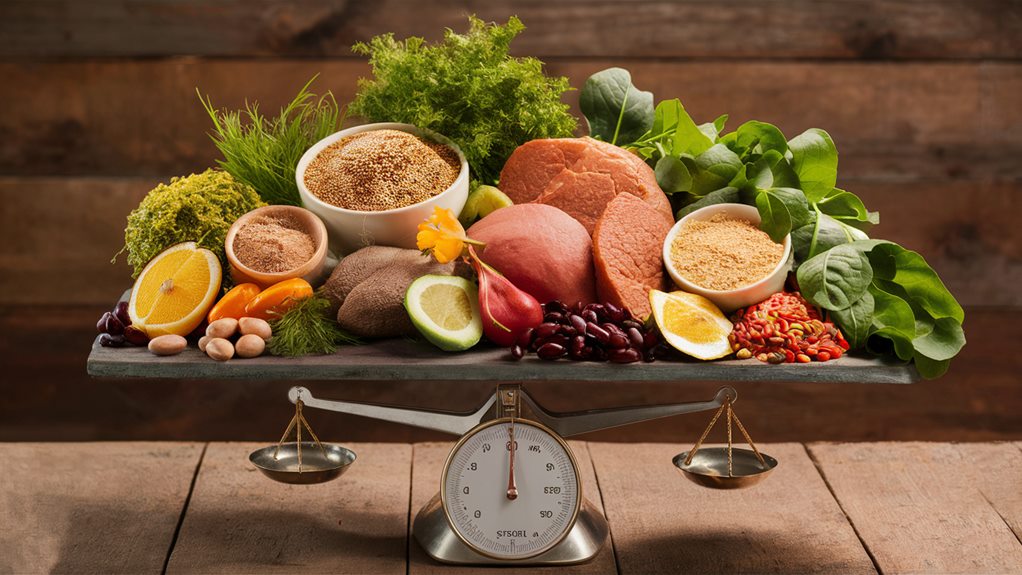
Balancing your macros on a budget is entirely achievable with some strategic planning. You can hit your fitness goals without overspending by employing a few practical techniques.
Start by focusing on caloric tracking to understand your daily needs, which helps you make informed choices about food.
Here are some key strategies to take into account:
- Plan Your Meals: Outline your meals for the week, focusing on affordable, nutrient-dense foods.
- Buy in Bulk: Stock up on staples like grains, beans, and frozen vegetables. They're often cheaper and have a longer shelf-life.
- Utilize Portion Control: Measure your servings to avoid waste and guarantee you're staying within your macro targets.
Frequently Asked Questions
How Can I Adjust Portion Sizes for Weight Loss?
To adjust portion sizes for weight loss, start by implementing portion control strategies like using smaller plates and measuring servings.
Practicing mindful eating techniques can help you recognize hunger cues and reduce distractions during meals. Pay attention to your body's signals; eat slowly and savor each bite.
Are There Affordable Supplements to Enhance Workouts?
You're not alone in the quest for affordable supplements; after all, who doesn't want to feel like a superhero on a budget?
Look for budget-friendly proteins like whey or plant-based options to fuel your workouts.
Natural energy boosters, such as caffeine from coffee or beetroot powder, can elevate your performance without breaking the bank.
Can I Meal Prep for Special Dietary Restrictions?
Absolutely, you can meal prep for special dietary restrictions! Start by researching meal prep tips that cater to your specific needs, like gluten-free or vegan options.
Use dietary alternatives, such as cauliflower rice or almond flour, to create satisfying meals. Batch cooking proteins and veggies makes it easy to grab nutritious options throughout the week.
How Do I Track My Nutrient Intake Effectively?
To track your nutrient intake effectively, start with calorie tracking apps that fit your lifestyle.
These tools help you log meals and monitor macronutrient balances—carbs, proteins, and fats. Focus on whole foods, and make adjustments based on your goals.
Regularly review your intake to guarantee you're meeting your needs. Finding a community or support group can also keep you motivated and accountable on your journey toward better health.
What Are Some Quick Recipes for Post-Workout Recovery?
You might think post-workout recovery recipes take too long to prepare, but they don't have to!
Try whipping up a protein smoothie with your favorite fruits and a scoop of protein powder for a quick boost.
Alternatively, make energy bites by mixing oats, nut butter, and honey—perfect for a fast, nutritious snack.
Both options are delicious, satisfying, and will help your body recover, keeping you on track with your fitness goals.
Conclusion
By embracing these economical meal plans, you can nourish your body without breaking the bank. Picture yourself enjoying a vibrant bowl of quinoa and roasted veggies, fueling your workouts with energy-boosting snacks like homemade protein bars. With smart shopping and seasonal produce, you'll not only save money but also savor the flavors of health. Remember, maintaining your fitness journey doesn't have to be costly—it's about making informed choices that work for your lifestyle and goals.