
You can save big by embracing three easy frugal lifestyle ideas. Start with meal planning; it helps you stick to a budget, avoid impulse purchases, and cut down on waste. Next, try your hand at DIY home projects—upcycling old furniture or making your own decor not only saves money but also personalizes your space. Finally, establish a budgeting routine to track your expenses and prioritize savings. This keeps you in control of your finances while letting you set aside some fun money. Stick around to uncover even more tips that'll enhance your frugal journey!
Key Takeaways
- Start meal planning by creating a shopping list to reduce impulse purchases and save money on groceries.
- Embrace DIY home projects using upcycled materials to personalize your space while saving on decor costs.
- Track your expenses to identify spending habits and create a budget that includes necessary and discretionary spending.
- Pre-portion meals to prevent overeating, reduce food waste, and avoid the temptation of takeout.
- Set aside a small amount of fun money in your budget for occasional treats, maintaining motivation and balance in your frugal lifestyle.
Meal Planning Strategies
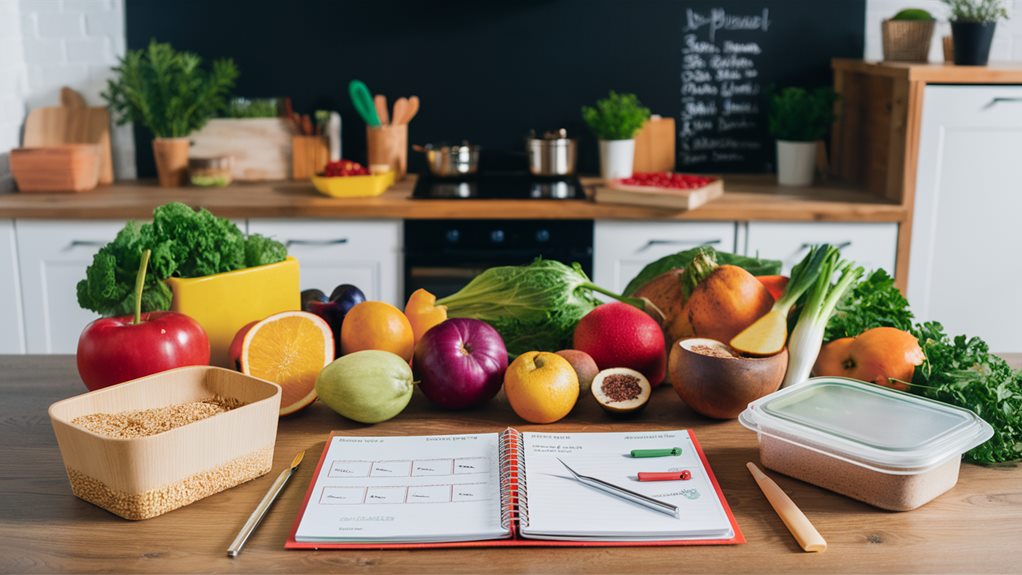
Meal planning is your secret weapon for saving money and time in the kitchen. By taking a little time each week to plan your meals, you can streamline your grocery shopping and avoid those last-minute splurges.
Consider incorporating nutritious options like plant-based meal kits that can simplify your meal prep and offer a variety of flavors while using similar ingredients, which helps you buy in bulk and reduces waste.
Next, create a shopping list based on your meal plan. Stick to it! This not only saves you money but also keeps you focused while grocery shopping, so you're less likely to buy impulse items that can derail your budget.
Portion control is another key benefit of meal planning. By pre-portioning meals, you'll know exactly how much you're consuming, which helps prevent overeating and reduces food waste.
Plus, having meals ready to go makes it easier to resist unhealthy snacks or takeout when you're tired.
DIY Home Projects
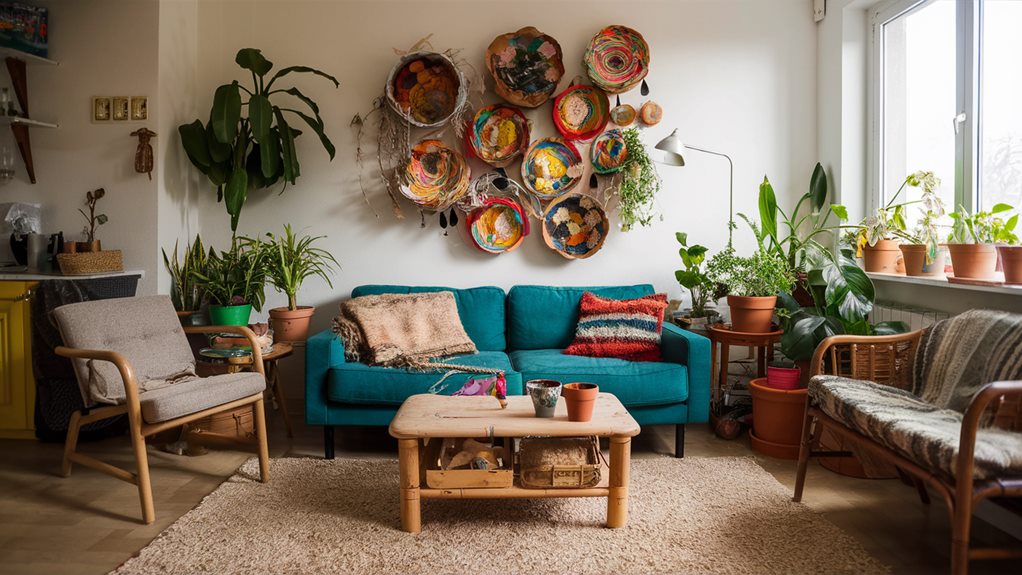
After mastering meal planning, you might want to explore DIY home projects as another way to save money and personalize your space.
These projects not only keep your wallet happy but also bring a sense of pride and belonging to your home. For instance, creating your own upcycled furniture can be a rewarding way to enhance your living area while being budget-friendly.
Start by diving into the world of upcycled furniture. Instead of tossing that old chair or table, give it a fresh look with some paint or new upholstery. You'll be amazed at how a little creativity can transform a worn piece into a stunning focal point. Plus, you'll create a unique item that tells your story.
Next, consider making homemade decor to add character to your rooms. Simple projects like creating wall art from reclaimed materials or crafting decorative throw pillows can enhance your space without breaking the bank.
You can even involve family or friends to turn these projects into fun bonding experiences.
Budgeting Basics

When you're starting out on your frugal journey, mastering the basics of budgeting is essential. It's your roadmap to financial freedom and helps you gain control over your money.
Begin by tracking expenses meticulously. Use apps, spreadsheets, or even a simple notebook to record every dollar you spend. This will give you a clear picture of where your money goes and help identify areas where you can cut back. Consider also how small changes, like switching to eco-friendly laundry options, can save money in the long run while being kinder to the planet, such as using plant-based detergents to reduce costs and environmental impact.
Next, create a budget that reflects your income and priorities. Start with fixed expenses like rent and utilities, then allocate funds for groceries, transportation, and savings. Don't forget to include fun money—allowing yourself some flexibility keeps you motivated and engaged in the process.
Review your budget regularly and adjust as needed. Life changes, and so should your financial plan. By consistently tracking expenses and refining your budget, you'll develop healthier financial habits and guarantee you're on the right track.
Frequently Asked Questions
How Can I Find Free Resources for Learning Frugal Living?
To find free resources for learning frugal living, start by exploring frugal blogs that offer tips and personal stories.
You'll discover a wealth of information from people just like you. Additionally, download budgeting apps that help you track expenses and set savings goals.
Engage with online communities for support and share experiences. By connecting with others, you'll feel a sense of belonging while gaining valuable insights into living frugally.
What Are Some Frugal Tips for Socializing Without Spending Much?
Did you know that hosting a potluck party can save you an average of 70% on food costs? When you invite friends to bring a dish, everyone enjoys a variety of meals without breaking the bank.
Organizing game nights is another fantastic way to socialize without spending much. You can play board games or video games you already own, creating a fun atmosphere that fosters connection and belonging, all while keeping expenses low.
How Do I Handle Unexpected Expenses While Living Frugally?
When unexpected expenses pop up, it's essential to stay calm and stick to your budgeting strategies.
First, tap into your emergency fund; that's what it's there for! If you don't have one yet, consider adjusting your budget to allocate a portion of your income toward savings.
This not only helps cover surprises but also gives you peace of mind. Remember, planning ahead can make all the difference in maintaining your frugal lifestyle.
Can Frugal Living Improve My Mental Well-Being?
Frugal living can definitely boost your mental well-being. When you practice mindful spending, you focus on what truly matters, which reduces stress and anxiety around finances.
Additionally, decluttering not only creates a more organized space but also promotes a sense of calm and clarity in your life. By prioritizing experiences over possessions, you'll feel more connected and fulfilled, fostering a sense of belonging that enhances your overall happiness.
What Are Some Frugal Gift Ideas for Holidays and Birthdays?
Think of gift-giving as planting seeds of joy. Instead of store-bought items, consider DIY gifts that reflect your creativity and thoughtfulness. You could knit a cozy scarf or create a personalized photo album.
Experience gifts, like a picnic in the park or a cooking class together, foster connection and create lasting memories. These options not only save money but also show your loved ones how much you care, nurturing those relationships beautifully.
Conclusion
By embracing these frugal lifestyle ideas, you're not just saving money; you're cultivating habits that can lead to lasting financial freedom. Studies show that individuals who meal plan and tackle DIY projects report increased satisfaction and a stronger sense of control over their finances. So, take the plunge—start budgeting today, plan your meals, and release your creativity with home projects. You'll be amazed at how these simple changes can lead to significant savings and a more fulfilling life.