
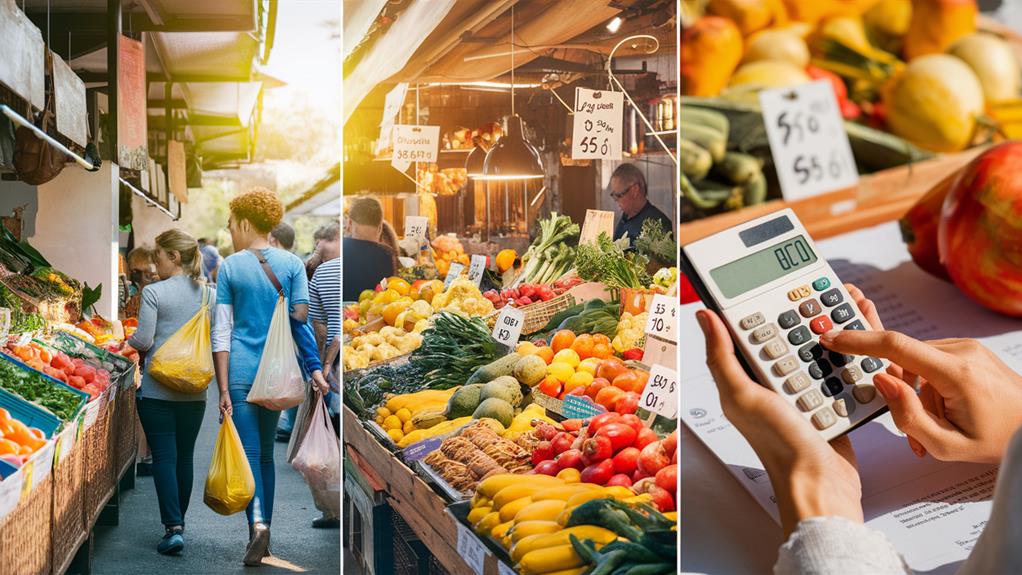
To save money on frugal shopping, start by planning a detailed shopping list to curb impulsive buys. Use coupons effectively, including digital ones, and take advantage of sales and discount cycles. Compare prices online to verify you're getting the best deal, and consider buying in bulk for frequently used items. Opt for generic brands, which often offer similar quality at lower prices. Don't overlook loyalty programs for extra savings. Finally, track your spending to stay disciplined. With these tips, you'll stretch your budget further and become a savvy shopper in no time. Keep exploring for even more strategies!
Key Takeaways
- Create a detailed shopping list based on meal planning to avoid impulse purchases and unnecessary spending.
- Utilize digital coupons and loyalty programs to maximize discounts on your purchases.
- Buy in bulk for non-perishable items to save money over time while reducing per-unit costs.
- Shop off-season to take advantage of significant discounts as retailers clear their inventory.
- Regularly track your spending and adjust your budget to identify areas for potential savings.
Plan Your Shopping List
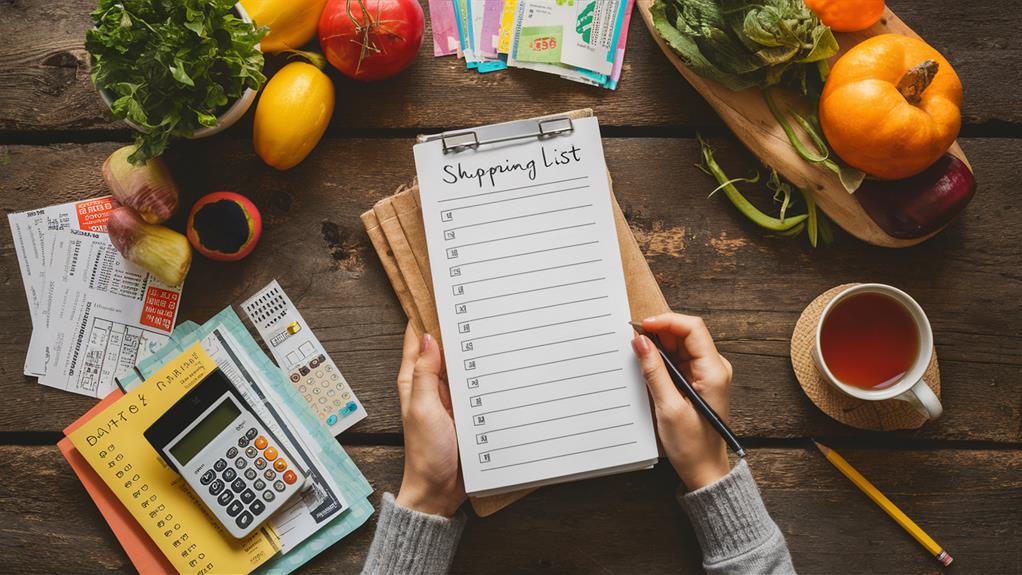
A well-planned shopping list can be your best ally in frugal shopping. It's not just a piece of paper; it's a roadmap to smarter spending. When you sit down to create your list, think about your meal planning for the week ahead. This helps you focus on what you actually need, reducing the temptation to buy unnecessary items.
Additionally, considering eco-friendly options, like plant-based laundry detergents, can be a great way to save money and contribute to a healthier planet eco-friendly laundry options.
Start by considering seasonal recipes. Seasonal produce is often cheaper and fresher, allowing you to enjoy delicious meals while saving money. As you browse recipes, jot down the ingredients you'll need. This not only streamlines your shopping but also makes meal prep easier and more enjoyable.
You'll find that cooking with fresh, in-season ingredients can inspire you and create a sense of belonging as you share these meals with friends and family.
Once you've compiled your list, stick to it when you hit the store. This discipline pays off by keeping your budget intact. If you encounter a tempting deal on something not on your list, remember that frugal shopping is about prioritizing what you truly need.
Lastly, don't forget to check your pantry and fridge before heading out, ensuring you use what you already have. This simple step can save you money and reduce food waste, making you feel even better about your shopping habits.
With a well-thought-out shopping list, you're not just saving money; you're investing in a more mindful and connected way of living.
Use Coupons Effectively

Coupons can be a game-changer for your budget when used effectively. To maximize your savings, start by checking out digital coupons that many stores offer through their mobile apps. These coupons are often more convenient than traditional printable coupons and can be applied directly at checkout.
Additionally, consider using coupons on affordable gift ideas to find great deals for any occasion. Don't forget to keep an eye on coupon expiration dates to guarantee you use them before they go to waste.
Additionally, consider coupon stacking, where you combine multiple discounts on a single purchase. For instance, you can use a digital coupon along with a store promotion or loyalty discount to rack up savings.
Pair these with cashback offers from apps or websites that give you a percentage back on your purchases, and you'll see your savings grow.
Another smart move is to take advantage of seasonal sales. When you know the store's sales cycle, you can plan your shopping around these promotions to score even better deals.
Plus, many stores offer loyalty points for purchases, which can lead to future discounts or rewards.
Take Advantage of Sales

Maximizing your savings goes beyond just using coupons; taking advantage of sales can greatly stretch your budget. By keeping an eye on seasonal discounts and clearance events, you can score amazing deals that allow you to buy what you need without overspending.
Additionally, similar to how parents benefit from top baby monitor features for enhanced security, being aware of sales can provide you with peace of mind regarding your finances. Here are some practical tips to help you make the most of sales:
- Know the Sales Cycle: Familiarize yourself with the sales patterns in your favorite stores. Many retailers have regular sales during holidays or specific seasons.
- Sign Up for Alerts: Subscribe to newsletters or follow your favorite brands on social media to stay informed about upcoming sales and exclusive offers.
- Use Loyalty Programs: Join loyalty programs to earn points or receive special discounts. These can often lead to additional savings during sales events.
- Shop Off-Peak: Consider shopping during off-peak times, like weekdays or early mornings, when stores are less crowded and you might find better selections.
When you strategically plan your shopping around these sales, you not only save money but also feel accomplished.
Remember, it's all about timing and being aware of the best opportunities. So, keep your eyes peeled for those seasonal discounts and clearance events; they're your best friends in frugal shopping.
With a little effort, you can enjoy the thrill of snagging great deals while staying within your budget. Happy shopping!
Compare Prices Online
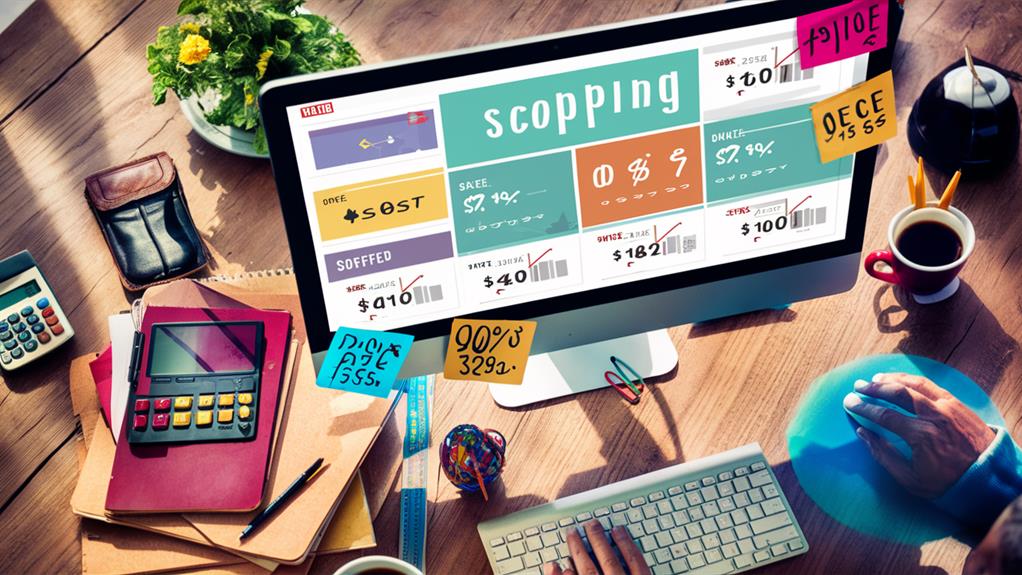
When it comes to frugal shopping, comparing prices online can be a game changer. Instead of settling for the first price you see, take a few moments to explore the vast online marketplace. You'd be surprised at how much you can save by simply checking multiple retailers. Price comparison isn't just smart; it's essential for anyone looking to stretch their budget further.
Start by using online tools designed for price comparison. Websites and apps like Google Shopping, PriceGrabber, or ShopSavvy allow you to enter the product you want and instantly see prices from various sellers. This not only saves you time but also helps you identify the best deals available.
Don't forget to check for discounts or coupon codes that might apply to your purchase, as many sites offer special promotions that can lower your total even more.
Also, consider checking the shipping costs and delivery times, as these can greatly affect the overall price you pay. Sometimes, a slightly higher item price with free shipping can be a better deal than a lower-priced item with hefty shipping fees.
Buy in Bulk

Buying in bulk can considerably reduce your overall spending, especially for items you use regularly. When you engage in bulk purchasing, you not only save money but also cut down on the frequency of shopping trips. This can be a game changer for your budget and your time.
Plus, it fosters a sense of community when you share these savings with family and friends!
Here are some items worth considering for bulk storage:
- Non-perishable foods: Items like rice, pasta, and canned goods can last a long time and are always handy.
- Household supplies: Cleaning products, paper towels, and toiletries often come at lower prices when purchased in larger quantities.
- Snacks and treats: Buy your favorite snacks in bulk to keep everyone in the household happy without breaking the bank.
- Pet supplies: If you have pets, consider bulk purchasing their food and other essentials to save money over time.
Before you plunge into bulk purchasing, make sure you have adequate bulk storage space at home. Proper organization can prevent waste and make it easier to keep track of what you have.
Remember to compare prices before buying, as not all bulk deals are created equal. Embracing bulk buying is a practical way to enhance your frugal shopping strategy while building a sense of belonging in your community by sharing resources and tips with others.
Shop Off-Season

One of the smartest ways to save money is to shop off-season. By timing your purchases right, you can take advantage of significant off-season discounts, making your budget stretch further. Retailers often clear out seasonal items to make room for new inventory, meaning you can snag great deals on clothing, home goods, and even holiday decorations.
Here's a quick guide to help you understand the best times to shop off-season:
| Item Type | Best Time to Buy | Seasonal Trends |
|---|---|---|
| Winter Clothing | End of Winter (Feb) | Heavy coats, boots |
| Summer Gear | End of Summer (Aug) | Swimwear, outdoor furniture |
| Holiday Decor | Post-Holiday (Jan) | Decorations, gifts |
When you shop during these off-peak times, you're not just saving money; you're also beating the rush. You can enjoy a more relaxed shopping experience, and you'll find unique items that others may overlook. Plus, buying off-season means you'll be ahead of the game for next year's trends, allowing you to curate your wardrobe or home without overspending.
Utilize Loyalty Programs
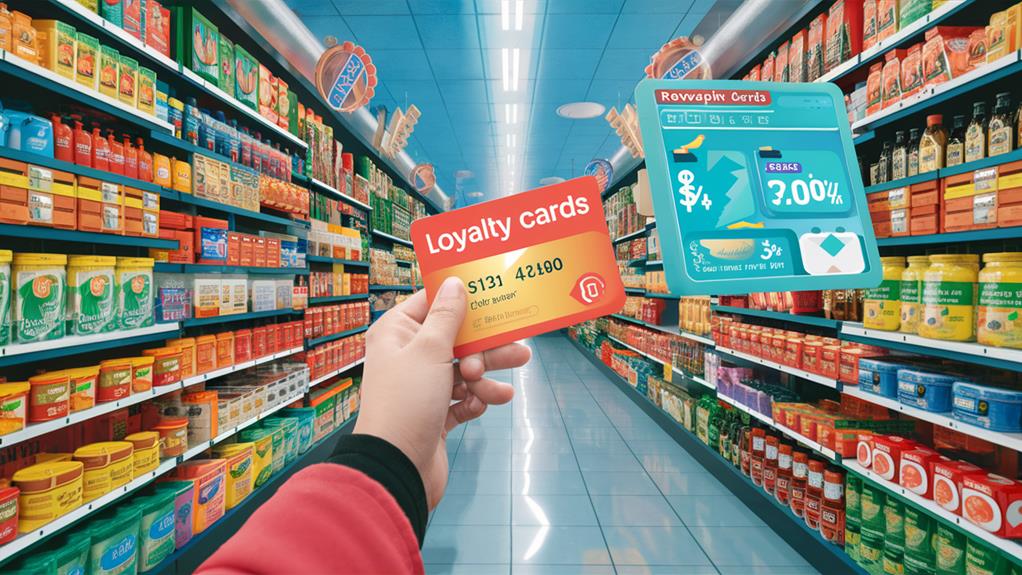
Shopping off-season not only allows you to snag great deals, but it also opens the door to maximizing your savings through loyalty programs. These programs can be a game-changer for your budget, turning everyday purchases into considerable savings. By joining loyalty programs, you gain access to exclusive offers, rewards, and membership benefits that can enhance your shopping experience.
To make the most of these programs, consider the following tips:
- Sign up for multiple programs: Don't limit yourself. Join loyalty programs from different stores to accumulate more reward points and enjoy various perks.
- Stay informed about promotions: Keep an eye on special events or double points days. These can boost your reward points considerably, allowing you to save even more.
- Combine offers: Look for ways to stack coupons or discounts with your loyalty rewards. This strategy can amplify your savings and help you get what you need for less.
- Redeem points wisely: Be strategic about when to use your reward points. Saving them for larger purchases can give you a more substantial discount, making your money go further.
Opt for Generic Brands

Cost-effectiveness often lies in the choices you make at the store, and opting for generic brands can be a smart move for your wallet. When you choose a generic product, you're not just saving money; you're often getting the same quality as name-brand items. Many generic products are manufactured by the same companies that produce popular brands, so the difference in price doesn't always reflect a difference in quality. This is one of the key generic product benefits.
You might feel a sense of loyalty to certain brands, but it's worth questioning whether that loyalty is truly beneficial. Brand loyalty can impact your shopping habits, leading you to spend more on items that don't deliver considerably better results. By breaking free from this cycle, you can explore a variety of generic options that meet your needs without breaking the bank.
Next time you're shopping, take a moment to compare prices. You might find that the generic version of your favorite cereal or cleaning product is just as good, if not better, than the brand you usually buy.
You'll not only feel a sense of accomplishment by saving money, but you'll also be part of a growing community that values smart shopping choices.
Incorporating generic brands into your shopping routine can lead to notable savings over time, allowing you to allocate your hard-earned cash to other areas of your life.
Avoid Impulse Purchases

Your wallet's health can take a hit from those sneaky impulse purchases that often occur while browsing store aisles.
It's easy to get caught up in the moment, especially when you're surrounded by enticing items designed to trigger your emotions.
Recognizing these emotional triggers in your shopping environment can help you resist the urge to buy things you didn't plan for.
Here are some practical tips to avoid impulse buying:
- Make a Shopping List: Stick to it! This keeps you focused on what you really need.
- Set a Budget: Decide how much you can spend before you go out, and don't deviate from it.
- Wait 24 Hours: If you find something you want but didn't plan for, give yourself a day to think it over. You might realize you don't really need it.
- Shop Alone: Going solo can help you resist the pressure of friends' opinions or the need to keep up with their purchases.
Track Your Spending

To keep your finances in check, tracking your spending is essential. You can't make informed decisions about your budget without knowing where your money's going. Start by using simple expense tracking methods—whether it's a notebook, a spreadsheet, or a budgeting app. The key is consistency. Make it a habit to record every purchase, no matter how small. This practice not only helps you stay aware of your spending but also highlights areas where you can cut back.
Consider implementing budgeting techniques that work for you. The 50/30/20 rule is a popular choice, directing 50% of your income to needs, 30% to wants, and 20% to savings or debt repayment. By categorizing your expenses, you can easily see if you're sticking to your budget or if there are areas needing adjustment.
Engaging with a community that shares similar frugal shopping goals can also motivate you. Share your experiences and tips on platforms or social media. You'll find that others are on the same journey, and together, you can support one another in staying accountable.
Frequently Asked Questions
How Can I Find the Best Coupons for My Favorite Stores?
Finding the best coupons for your favorite stores is easier than you think! Start by checking popular coupon websites like RetailMeNot or Coupons.com for the latest deals.
Don't forget to sign up for loyalty programs; they often offer exclusive coupons and discounts just for members. You'll not only save money, but you'll also feel connected to a community of savvy shoppers.
Keep an eye on social media too—stores love sharing special offers there!
Are There Apps That Help Track Grocery Prices Over Time?
Absolutely, there are several apps that help you track grocery prices over time.
You can use price comparison apps to see how prices fluctuate, making grocery budgeting easier. These apps often allow you to create shopping lists and receive alerts on sales.
What Are the Benefits of Joining Local Community Buying Groups?
Imagine a bunch of neighbors huddled together, sharing a single bulk bag of rice like it's a treasure chest!
Joining local community buying groups lets you tap into cooperative buying power. You'll save money on bulk purchasing while building connections with others who share your values.
Plus, you'll discover local products, support small businesses, and foster a sense of belonging.
It's not just about savings; it's about community and collaboration!
How Can I Reduce Shipping Costs When Shopping Online?
To reduce shipping costs when shopping online, look for retailers offering free shipping promotions or minimum purchase requirements.
Joining loyalty programs can also help you earn free shipping rewards over time.
Don't forget to compare shipping options at checkout; sometimes, slower shipping methods can save you money.
Is It Worth Investing in a Subscription Box for Savings?
Investing in a subscription box can be a mixed bag.
The pros include convenience and exclusive items that you mightn't find elsewhere. It can feel like a little surprise each month, fostering a sense of belonging.
However, consider the cons too; you might end up with items you don't need or use, which can negate any savings.
Assess your interests and budget before diving in to make sure it's worth it for you.
Conclusion
By following these tips, you can transform your shopping habits and truly make the most of your budget. Planning your list and using coupons might seem simple, but they can lead to significant savings over time. Embracing bulk buying and generic brands can further stretch your dollars without sacrificing quality. Remember, it's not just about spending less; it's about spending smarter. With a little effort and awareness, you'll find frugal shopping can be both rewarding and enjoyable.